
By: Mitra Dee
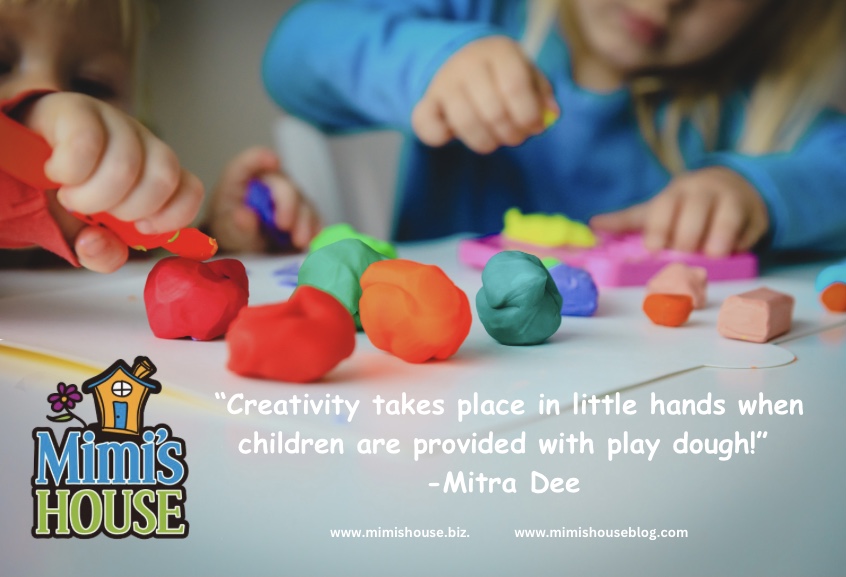
At MiMi’s House, we believe in the power of play to foster creativity, fine motor skills, and cognitive development in young children. One of the most versatile and beloved tools in early childhood education is play dough. This simple, non-toxic, and endlessly adaptable material has been a favorite in my classroom for years, and it’s a fantastic resource for parents and teachers alike.
The Benefits of Play Dough in Early Childhood Development
1. Fine Motor Skills Development:
Manipulating play dough helps strengthen the small muscles in children’s hands and fingers. This is crucial for tasks like writing, buttoning clothes, and using utensils. Rolling, squishing, flattening, and cutting play dough all provide excellent opportunities for children to build these essential motor skills.
2. Creativity and Imagination:🌟
Play dough is a blank canvas for young minds. Children can create anything they imagine, from animals to abstract shapes. This open-ended play fosters creativity and encourages children to think outside the box.
3. Language and Communication:
As children create with play dough, they often describe what they’re making or engage in storytelling. This enhances their language skills and encourages them to communicate their ideas. It’s a fantastic way to introduce new vocabulary and concepts in a fun, interactive way.
4. Emotional Expression:
Working with play dough can be a calming activity, allowing children to express their emotions in a safe and non-verbal way. The tactile experience can be soothing, helping children manage stress or anxiety.
5. Social Skills:
Play dough is perfect for group activities. Whether children are sharing tools, collaborating on a project, or simply playing side by side, they learn important social skills like sharing, taking turns, and working together.
My Favorite Play Dough Recipe❤️
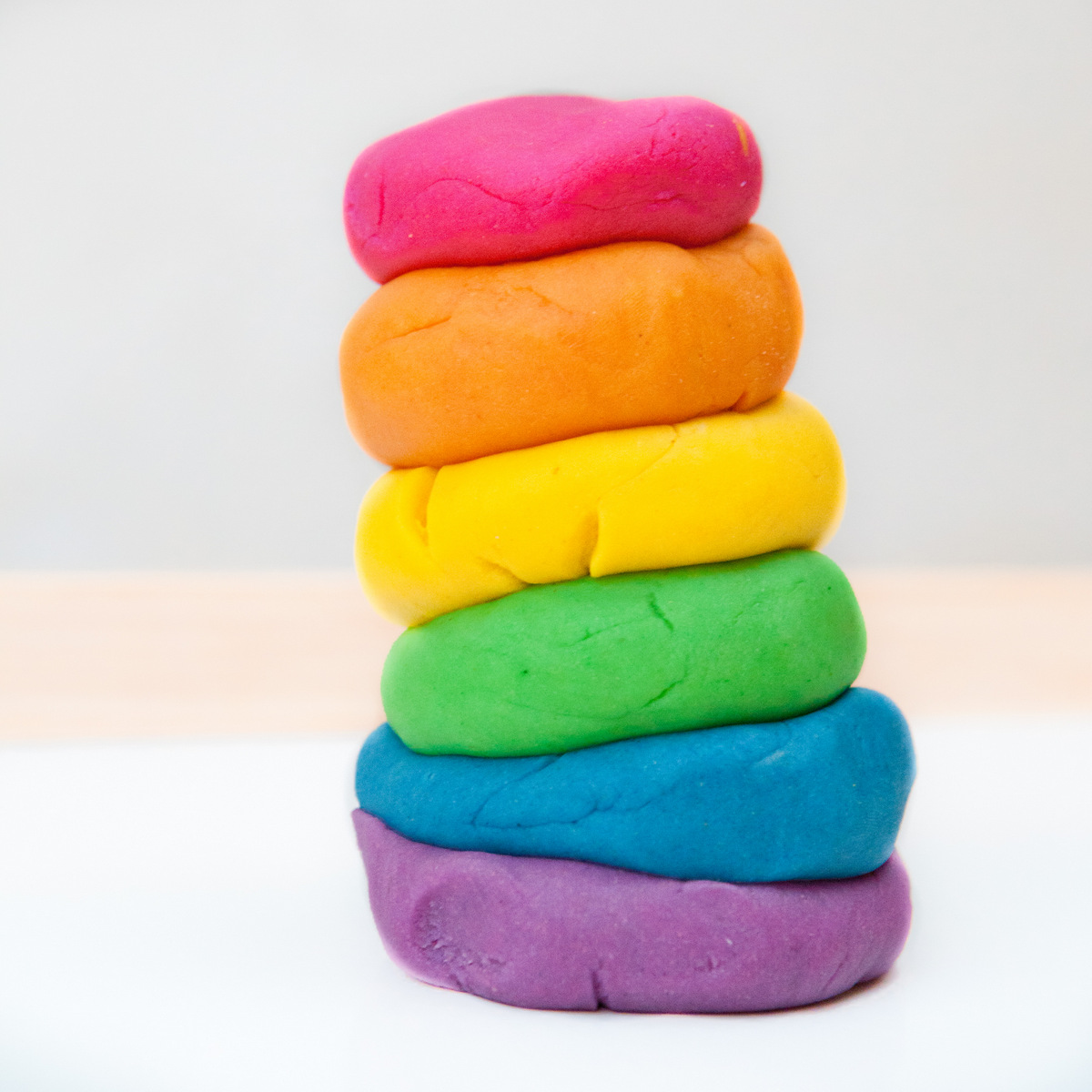
I’ve used this play dough recipe for years, and it’s always been a hit with the kids in my care. It’s non-toxic, easy to make, and has a wonderfully smooth texture. Plus, it’s salty—so if your little one is anything like my oldest daughter, who used to sneak bites of play dough when she was in my home daycare, the taste will likely deter them from eating too much! (But let’s be honest, we all have to hide it from them sometimes, hahaha!)
Ingredients:
– 2 cups all-purpose flour
– 1 cup salt
– 2 tablespoons cream of tartar
– 2 tablespoons vegetable oil
– 2 cups water
– Food coloring (optional)
Instructions 🥣
1. In a large pot, mix together the flour, salt, and cream of tartar.
2. Add the water and vegetable oil to the dry ingredients and stir until combined.
3. If you want to add color, stir in a few drops of food coloring at this point.
4. Cook the mixture over medium heat, stirring constantly. The dough will start to thicken as it heats up.
5. Continue stirring until the dough forms a ball and pulls away from the sides of the pot. This usually takes about 5-7 minutes.
6. Remove the pot from heat and let the dough cool for a few minutes.
7. Once it’s cool enough to handle, knead the dough on a flat surface until it’s smooth and elastic.
8. Store in an airtight container to keep it fresh for weeks!
Fun Variations to Try
One of the best things about this play dough recipe is how easily you can customize it. Here are some of my favorite variations:
1. Scented Play Dough:🔴
Add a few drops of essential oils to the dough for a sensory experience. Lavender is great for calming, while peppermint or citrus scents can be invigorating.
2. Glitter Play Dough:🟡
Mix in some fine glitter for a magical sparkle that kids will love. Just be prepared for a little extra cleanup!
3. Kool-Aid Play Dough:🟣
For a fun twist, use a packet of unsweetened Kool-Aid instead of food coloring. It adds both color and scent to the dough. Plus, kids will enjoy the fruity smell!
4. Textured Play Dough:🔵
Add sand, rice, or tiny beads to the dough for an interesting texture that provides extra sensory stimulation.
5. Seasonal Play Dough: 🟢
Get creative with seasonal scents and colors. For example, add cinnamon and nutmeg for a fall-inspired dough, or try red and green colors with peppermint scent for a festive holiday version.
Conclusion
Play dough is more than just a fun activity—it’s a powerful tool for learning and development in early childhood. Whether you’re a teacher or a parent, incorporating play dough into your daily routine can provide endless opportunities for your child to grow, learn, and express themselves.
And remember, while this recipe is safe, it’s best to keep an eye on those little ones who might be tempted to have a salty snack. Enjoy the creative journey with your children, and happy playing!
I hope this recipe and these ideas bring as much joy to your home or classroom as they have to mine over the years. Feel free to share your own play dough creations or any other fun variations you come up with!

 mimishouse.blog