Honoring Military Heroes
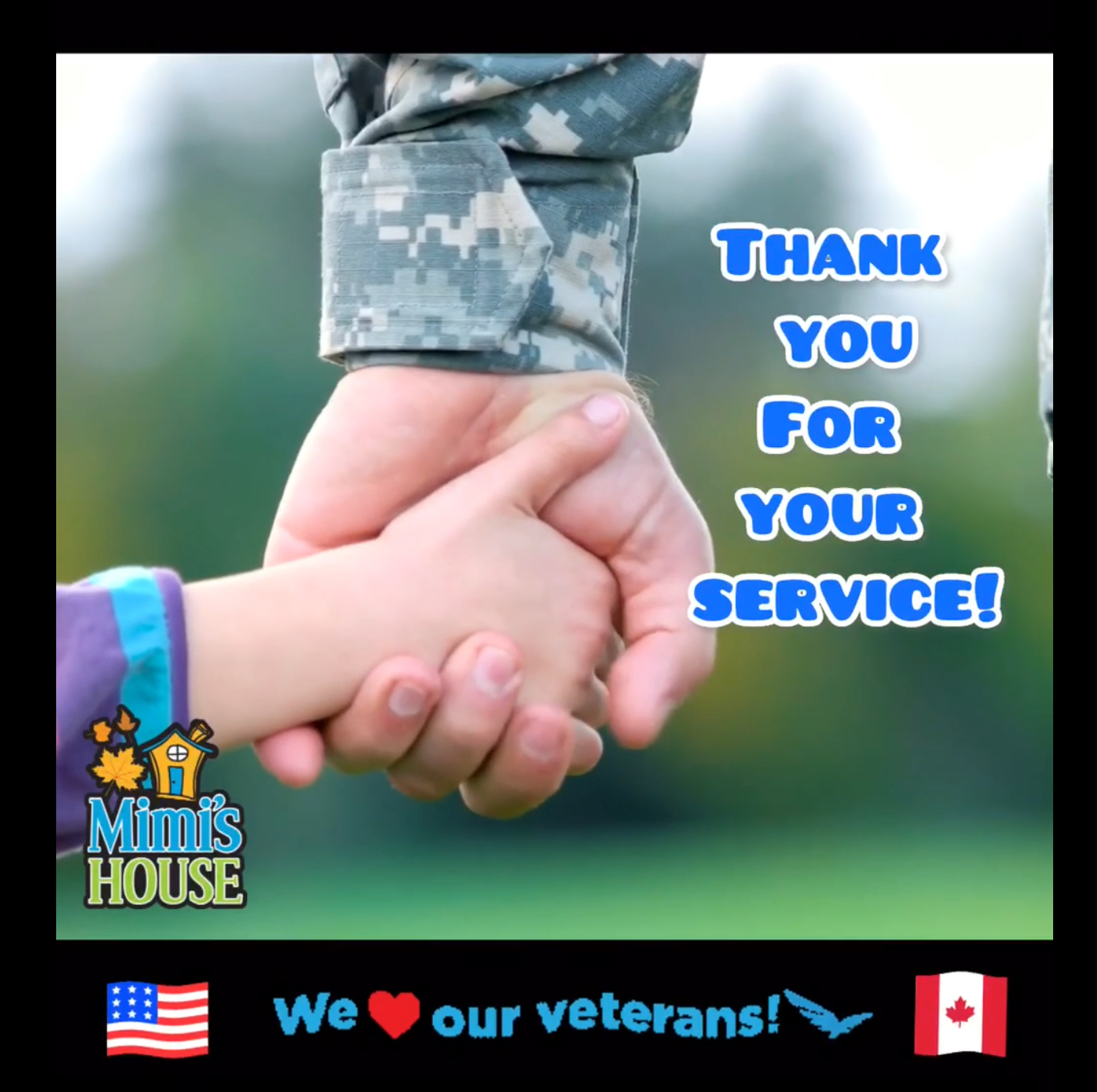
November 11 is a significant date in both the United States and Canada. In the U.S., it’s known as Veterans Day, a time to honor all who have served in the military. In Canada, we observe Remembrance Day, reflecting on the sacrifices of those who served and those who continue to serve to protect our freedoms. For young children, these concepts can be abstract, but with gentle, age-appropriate activities, we can help them understand and appreciate the importance of honoring our military heroes.
As someone with a personal connection to this cause—my husband is a veteran of the Canadian Air Force, my grandfather served in the U.S. Army, my father-in-law in the Canadian Navy, and my late uncle in the U.S. Marines—I feel deeply connected to this day of honoring the brave individuals who have served our countries. Our children may not yet grasp the full weight of sacrifice, but by teaching them respect and gratitude, we plant seeds of appreciation that will grow as they mature.
Why It’s Important to Teach Children About Veterans Day and Remembrance Day
1. Instilling Gratitude and Respect:
Teaching children about Veterans Day and Remembrance Day helps them develop respect for those who protect and serve our countries. Research shows that children as young as preschool age benefit from learning values like gratitude and respect through example and conversation. When we model appreciation for military service, children learn to recognize and honor the sacrifices made by others.
2. Understanding Community and Service:
By explaining the roles of veterans, we can also teach children about the broader idea of community helpers. Military members, like firefighters, police officers, and teachers, work in service to others. Early education expert and child psychologist Dr. Kenneth Ginsburg emphasizes that children develop empathy and social responsibility when they understand how people work together to build safe and caring communities.
3. Building a Sense of History and Tradition:
Remembrance Day and Veterans Day give us a chance to talk to young children about history and traditions in a way they can understand. Experts suggest that children gain a sense of identity and belonging through traditions, which helps them feel connected to family and community. Even a simple activity like observing a moment of silence or making a craft can help children feel part of a larger story.
Child-Centered Activities to Honor Veterans and Military Heroes
Here are some age-appropriate activities to help young children understand the importance of honoring veterans:
1. Moment of Silence and Reflection
• On November 11, consider observing a moment of silence with children. Explain that this is a special time to be very quiet, think about people who help keep us safe, and show respect. This small gesture can help them start to understand respect and honor.
2. Creating Thank You Cards
• Children love art, and making thank you cards for veterans is a simple, meaningful way for them to show appreciation. Whether they draw pictures, add stickers, or attempt to write simple messages, these cards can bring a smile to a veteran’s face. Many communities have local organizations or events where you can drop off these cards to be shared with veterans.
3. Crafting Poppy Flowers
• In Canada, the poppy is a symbol of remembrance, worn to honor veterans and those who sacrificed their lives. You can create simple paper poppies with young children as a craft. Explain that poppies are a symbol of respect, and they help us remember the people who keep us safe.
4. Patriotic Sensory Bins
• For younger children, a sensory bin with items in red, white, and blue (or red and white for Canada) can help them engage with the theme of the day. Fill a bin with colored rice, small flags, and toy soldiers. Talk about the colors and what they represent while children explore.
5. Reading Books About Veterans
• For a gentle introduction, consider reading age-appropriate books about the lives of military families or simple stories that honor veterans. Books like “The Wall” by Eve Bunting or “Veterans: Heroes in Our Neighborhood” by Valerie Pfundstein provide accessible narratives for young children. Reading together can open up conversations and allow children to ask questions.
The Impact of These Activities
When we involve young children in small acts of honor and gratitude, we’re helping them develop lifelong values. Children who learn empathy, respect, and appreciation for others’ sacrifices are more likely to grow into socially responsible and compassionate adults. Studies in early childhood education indicate that even simple activities that emphasize appreciation and understanding lay a foundation for prosocial behavior, empathy, and emotional intelligence.
Honoring My Family’s Legacy
For me, teaching these values goes beyond simply observing a holiday. Honoring veterans is a part of my family’s story, and it’s a tradition I’m proud to pass on. My husband’s years of service in the Canadian Air Force, along with the sacrifices made by my grandfather, father-in-law, and uncle in various branches of the military, have shaped our family’s values. Teaching children to honor military heroes is a way for me to share my family’s story, to keep alive the values of respect and gratitude, and to remind the next generation of the importance of service.
This November 11, whether you’re a parent or teacher, I hope you find ways to observe Veterans Day or Remembrance Day in a way that resonates with you and your family. However simple or small, these gestures help us all take a moment to thank the men and women who have served our countries with courage and dedication. May we never forget the significance of their sacrifice, and may we pass on this sense of gratitude to our children.

 mimishouse.blog