Keeping Calm at Christmas: A Gentle Guide for Early Childhood Educators & Parents

By:Mitra Dee©️ B.S. Elem Ed, Early Childhood Ed, Music Ed, MA General Ed

The Christmas season sparkles with excitement—twinkling lights, classroom parties, holiday songs, extra activities, and a thousand tiny moments that feel magical to young children.

But for the adults guiding them—teachers, caregivers, and parents—December can also feel loud, rushed, overstimulating, and full of expectations.

If you’ve ever found yourself whispering, “Just breathe” between glitter spills and sugar-cookie energy… you’re not alone.

In early childhood, calm is not the absence of noise—calm is the presence of connection. And connection is something we can choose to nurture, even in the busiest season of the year.

Here are a few simple reminders to help you and your little ones stay grounded, joyful, and peaceful during the holidays.

1. Keep Predictable Routines (As Much as You Can)

Children thrive when they know what comes next.

During December, schedules twist and turn—rehearsals, field trips, class parties, family gatherings.

Even a slightly predictable rhythm gives children a sense of safety.

  • Keep your morning routine steady.
  • Maintain nap and snack times when possible.
  • Use picture schedules to show “today is a special day.”
  • Prepare children with simple language: “Today will feel different. We will do this together.”

Consistency reduces anxiety—for them and for us.

2. Slow the Energy When It Starts to Rise

Holiday excitement grows quickly in little bodies. You will see it in bouncing feet, spinning dances, louder voices, and sometimes… meltdowns.

Create moments of mindful pause:

  • Soft Christmas instrumental music
  • Slow breathing with twinkly lights (“Smell the cocoa… blow out the candle…”)
  • A short picture book
  • One-minute stretches
  • A cozy corner with pillows and winter books

You don’t have to stop the fun—just sprinkle calm into the margins.

3. Choose Connection Over Perfection

The pressure to make everything magical can take away the magic.

Children remember:

  • Your smile
  • Your warmth
  • The way you held their hand during a song
  • The moment you knelt down to listen

They do not remember:

  • If every craft was “Pinterest perfect”
  • If the program had mistakes
  • If the cookies crumbled

This season, let go of perfection and hold onto presence.

4. Keep Expectations Simple

Little ones don’t need a long to-do list of activities.

They need simple joys, repeated often:

  • Jingle Bells with real bells
  • A Christmas sensory bin
  • One sweet craft
  • A picture book each morning
  • A walk to see lights
  • A kindness activity (making cards, saying thank you, helping a friend)

Choose what matters most, and release the rest.

5. Protect Your Own Calm

When adults feel rushed, overwhelmed, or exhausted, children feel it too.

Give yourself permission to:

  • Take five quiet minutes in the car before walking into school.
  • Say no to one extra activity.
  • Drink water.
  • Pray or breathe deeply between transitions.
  • Ask for help.
  • Laugh when things go sideways.

A calm grown-up creates a calm classroom.

And remember: You are doing sacred work.

You are shaping memories, planting peace, and giving little hearts a sense of wonder.

6. Build Moments of Meaning, Not Just Activity

The holiday season can be an opportunity to teach:

  • Gratitude
  • Generosity
  • Waiting
  • Joy
  • Kindness

These are the true gifts children carry into the new year.

Simple conversations work wonders:

“Who can we bless today?”

“How can we show kindness in our classroom?”

“What made your heart happy today?”

Small seeds grow into big character.

A Final Word of Peace for You

Dear educators, caregivers, and parents—

You do so much unseen work to make this season warm, joyful, and safe for children.

Let this Christmas be a reminder:

You do not need to create perfect moments.

Just create loving ones.

Breathe.

Slow down.

See the sparkle in the small things.

Let peace begin with you… and let it gently overflow into the hearts of your little ones.

Merry Christmas—from Mimi’s House to your home and classroom.

May your days be calm, bright, and filled with simple joy.

Growing Grateful Hearts: Building Gratitude in the Early Years

By: Mitra Dee

Gratitude is more than a polite “thank you.”

For young children, it’s a way of seeing the world—of noticing goodness, feeling connected, and learning to appreciate simple joys. The early years (ages 2–5) are the perfect window to nurture gratitude because children are naturally curious, eager to imitate caring adults, and filled with wonder.

When we intentionally weave little moments of thankfulness into their days, we help them build lifelong habits of joy, empathy, and generosity.

Here are simple, meaningful ways to plant those seeds—at home, in preschool classrooms, and anywhere little ones learn and grow.

1. Start With Modeling: Let Children See Your Gratitude

Young children learn gratitude by watching it in action.

Try saying your thankful thoughts out loud:

  • “I’m thankful for this warm sunshine today.”
  • “Thank you for helping me clean up. That made my job easier.”
  • “I love how your smile brightens our classroom.”

These short, genuine moments build a culture of thankfulness children naturally copy.

2. Create a “Daily Gratitude Moment”

Keep it simple—30 seconds is enough!

Ideas:

  • Morning circle: “What is something that made your heart happy today?”
  • At the table: “What’s something yummy you ate today?”
  • Bedtime or goodbye time: “Who was kind to you today?”

Children don’t need deep answers—sometimes they’ll say “my snack” or “my dog.”

That is gratitude! Honor whatever they bring.

3. Use Books & Stories to Spark Thankful Thinking

Picture books are powerful tools for emotional learning.

After reading, ask gentle guiding questions:

  • “How do you think the character felt when someone helped them?”
  • “What would YOU be thankful for if that happened to you?”

Stories help children understand feelings, kindness, and empathy in ways they can apply to their own world.

4. Make Gratitude Hands-On

Children learn best with movement, play, and creativity. Try:

• A Thankful Tree

Cut out paper leaves or use real fall leaves.

Each day, write or draw something the child is thankful for and hang it on a branch.

• Gratitude Jars

Let children drop in a pom-pom or note whenever they notice kindness—“He shared with me!” or “I helped clean up!”

• Thank-You Art

Preschoolers love making cards:

  • For a teacher
  • For a friend
  • For a parent
  • For the custodian or lunch helper

It teaches children to notice the people who help them every day.

5. Encourage “Noticing Games”

Turn gratitude into a playful moment:

  • Thankful Treasure Hunt
    “Find something that makes you feel cozy… something that makes you smile… something someone gave you.”
  • I Spy Kindness
    “I spy someone being helpful!”
    Children love being “caught” doing something kind.
  • Pass the Gratitude Ball
    Roll or toss a soft ball; whoever catches shares one happy or thankful thought.

These games help children slow down and pay attention to the good around them.

6. Celebrate Effort and Kind Acts

Praise the heart, not just the outcome.

Instead of “Good job,” try:

  • “I noticed how you waited your turn—that was thoughtful.”
  • “Thank you for helping your friend. That was kind.”
  • “You worked so hard on that picture. I’m grateful you shared it with me.”

Children start to recognize that kindness matters.

7. Keep Gratitude Gentle—Never Forced

If a child doesn’t want to say thank you, don’t pressure them.

Instead, model it for them:

“You’re still learning. I’ll say thank you for us today.”

Over time, they will join in on their own because it feels good, not because it’s demanded.

8. Build Gratitude Into Routines

Gratitude grows best in small, steady moments:

  • “Thank you for helping zip your coat!”
  • “I’m grateful we get to play together today.”
  • “Let’s take a breath and notice something beautiful around us.”

Repetition makes these ideas stick.

9. Turn Challenges Into Thankful Moments

When a day is tough or a child feels discouraged, gratitude can gently shift their focus.

Try:

  • “Let’s find one thing that made today a little better.”
  • “Even hard days have something good. Let’s look for it together.”

This teaches resilience, not denial—children learn that gratitude can be a comfort, not a requirement.

10. Celebrate Progress—Not Perfection

Gratitude in the early years is not about perfect manners or perfectly-worded thank-yous.

It’s about:

✨ noticing

✨ appreciating

✨ connecting

✨ feeling loved

✨ showing kindness

If a child says one grateful thought a week, that’s growth.

If they begin to recognize when someone is kind, that’s progress.

If they start saying thank you spontaneously? That’s a beautiful seed blooming.

Final Thoughts: Gratitude Grows Where It’s Modeled and Celebrated

When we practice gratitude with the little ones in our lives, we teach them a way of living that leads to greater joy, resilience, and connection.

Whether you are a parent, a preschool teacher, or a caregiver, you have the privilege of shaping young hearts. With every simple thankful moment—every shared smile, every kind word—you are nurturing a child who sees goodness in the world and brings goodness to it.

And that is a gift they will carry for a lifetime.

The Joy of Spring: The Benefits of Outdoor Play and Exploration for Preschoolers

The Joy of Spring: The Benefits of Outdoor Play and Exploration for Preschoolers

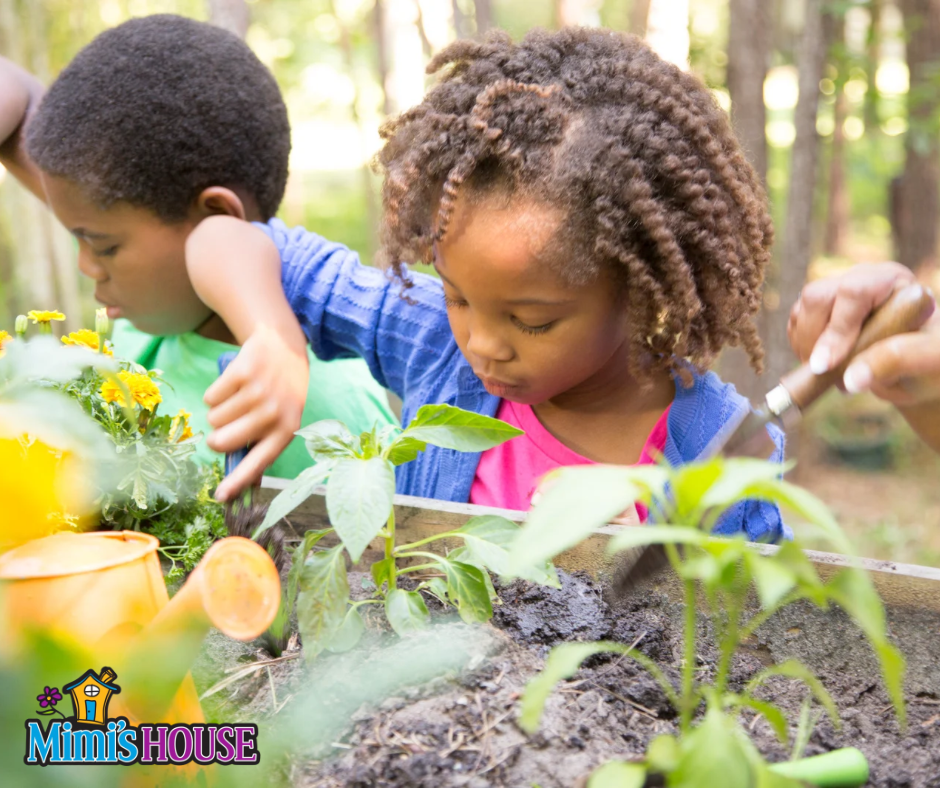
Springtime is a season of renewal, growth, and endless discovery. As flowers bloom, birds sing, and the world bursts into color, there is no better time to take learning outside and encourage preschoolers to explore the beauty of nature. Outdoor play is not just fun—it’s essential for a child’s development. When children step outside, they engage their senses, strengthen their bodies, and experience the wonder of the world around them.

Encouraging a Sense of Wonder

Children are naturally curious, and the outdoors provides the perfect setting for them to explore, ask questions, and discover new things. From feeling the warmth of the sun to digging in the soil and watching insects at work, spending time in nature fosters a deep appreciation for life and the world we’ve been given. Whether admiring the colors of a butterfly’s wings or the way flowers stretch toward the sky, outdoor play helps children develop gratitude and a sense of connection to something greater than themselves.

Physical Benefits of Outdoor Play

Spring provides the perfect weather for children to run, jump, climb, and explore. These activities:

  • Build strength and coordination – Running, climbing, and balancing help develop gross motor skills.

  • Encourage a healthy lifestyle – Fresh air and movement promote strong bodies and minds.

  • Support better sleep – Exposure to natural light and active play improve sleep quality.

Cognitive and Emotional Growth Through Outdoor Exploration

Outdoor play is more than just exercise—it’s a classroom without walls. When children engage with nature, they develop:

  • Curiosity and problem-solving skills – Observing bugs, building forts, or figuring out how to climb a tree encourages critical thinking.

  • Creativity – Unstructured play allows children to use their imaginations in ways that screens and structured activities can’t.

  • Resilience and confidence – Overcoming small challenges outside (like balancing on a log or trying a new playground structure) helps build perseverance.

Social Growth and Connection Through Outdoor Play

Outdoor play fosters important social skills as children:

  • Learn cooperation – Playing games and exploring together encourages teamwork and patience.

  • Practice kindness and sharing – Whether it’s taking turns on a swing or helping a friend find a lost toy, outdoor play teaches empathy.

  • Develop a sense of responsibility – Taking care of plants, observing animals, and learning about nature helps children understand the importance of respecting and caring for the world around them.

Practical Ways to Bring Springtime Learning Outside

  • Nature Walks & Scavenger Hunts – Create a list of things for children to find, such as a bird, a yellow flower, or a buzzing bee.

  • Garden Together – Let children plant seeds, water plants, and observe how things grow. Gardening is a wonderful way to teach patience and responsibility.

  • Outdoor Art – Use sidewalk chalk, make nature collages, or paint with mud and water.

  • Storytime in the Sunshine – Read a favorite book outside and encourage children to talk about what they see and hear around them.

Embrace the Season!

Spring is a gift, a time to slow down, breathe in fresh air, and enjoy the beauty of nature. As preschool teachers and parents, we have the privilege of shaping how children see and interact with the world. By embracing outdoor play and exploration, we give them space to grow, learn, and appreciate the wonders of creation. So grab your sun hats, step outside, and let the adventures begin!

What are your favorite ways to explore the outdoors with preschoolers? Share your ideas in the comments!

Free and Fun Activities for Toddlers/Preschoolers

Free and Fun Activities for Toddlers and Preschoolers

Looking for easy, budget-friendly ways to keep your little ones entertained? You don’t need fancy toys, just a little creativity and some everyday household items! Here are some simple and fun activities that will spark imagination, encourage learning, and keep your toddler or preschooler busy for hours.

1. Balloon Bonanza

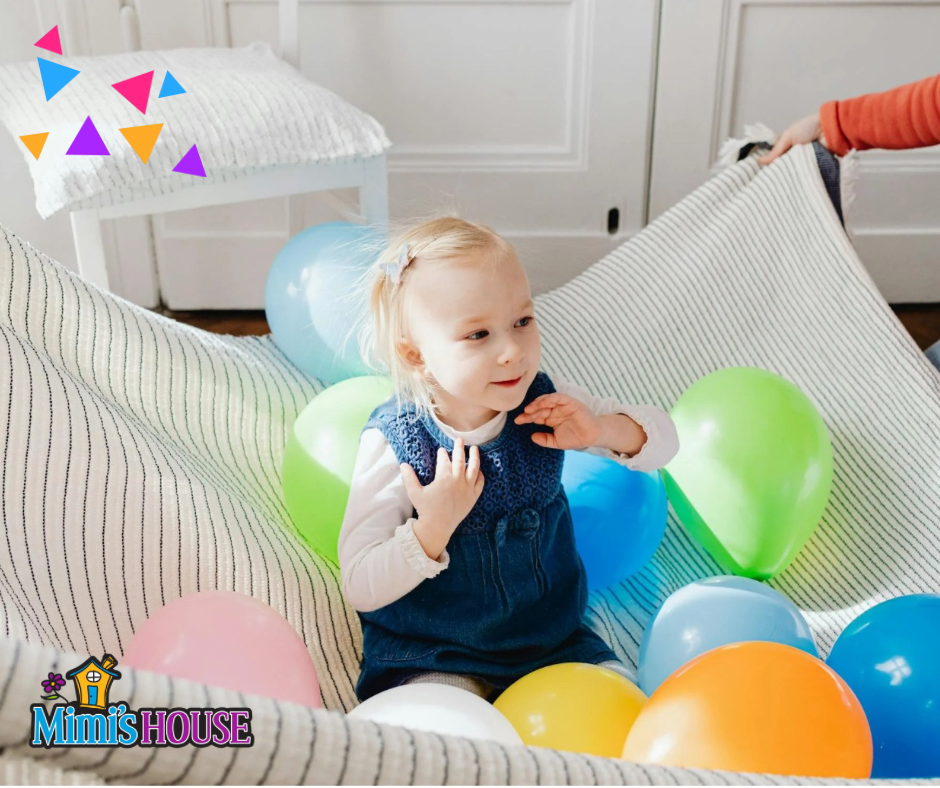
Blow up a balloon and have a game of keep-it-up to see how long your child can keep the balloon from touching the ground! You can also play balloon volleyball, tap it back and forth, or have fun chasing it around the room.

2. Blanket Fort Fun

Grab some blankets, pillows, and chairs to build a cozy fort. Add a flashlight and some books for a snuggly reading nook or pretend it’s a secret hideout!

3. Big Box Playhouse

Got a big cardboard box? Turn it into a house, spaceship, or car! Let your little one decorate it with crayons, stickers, or even paint for extra fun.

4. Bubble Sink Play

Fill the sink with warm water and a few squirts of dish soap to make bubbles. Give your child plastic cups, spoons, and containers so they can wash dishes just like a grown-up.

5. Pasta or Cereal Stringing

Use dry pasta with big holes (like rigatoni) or O-shaped cereal and let your child string them onto yarn or shoelaces to make necklaces or fun patterns. Great for fine motor skills!

6. Sock Toss Game

Roll up socks into little balls and toss them into a laundry basket. Try different distances or count how many land inside for an easy indoor game.

7. Painters Tape Roads

Use painters tape on the floor to create roads, a racetrack, or hopscotch for toy cars and little feet to follow.

8. Kitchen Band

Grab some pots, wooden spoons, and plastic containers to make your own drum set! Sing songs and let your child create their own music.

9. Color Hunt

Call out a color and have your child run around the house to find an object that matches! A fun way to practice colors while getting some energy out.

10. Nature Collection Walk

Go for a walk and collect leaves, rocks, or flowers. Bring them home and sort them by size, color, or shape for a simple nature-inspired learning activity.

These activities prove that you don’t need expensive toys to have fun! Simple household items can spark imagination, encourage learning, and create special moments with your little one. Try one today and see where your child’s creativity takes them!

What’s your child’s favorite free activity? Share in the comments!

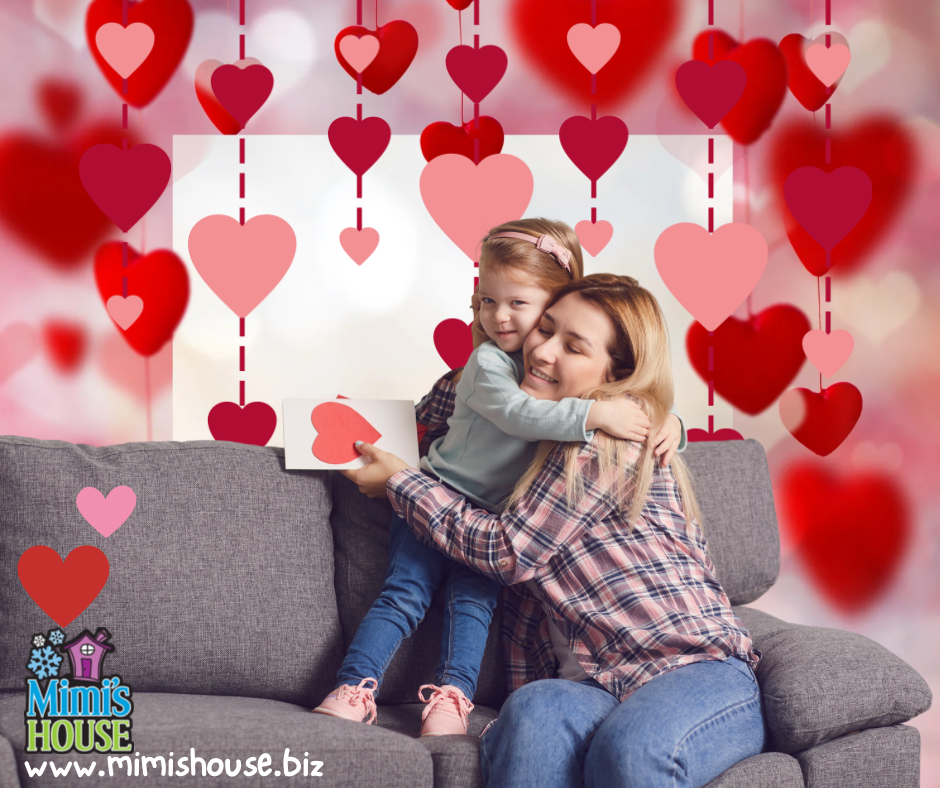
❤️Spreading Love and Kindness with Preschoolers This Valentine’s Day❤️

Valentine’s Day is more than just hearts, chocolates, and cards—it’s a beautiful opportunity to teach young children about love, kindness, and the joy of giving. Whether you’re a teacher in a classroom or a parent at home, you have the privilege of shaping how children express love and appreciation for others, not just on Valentine’s Day but every day.

❤️Teaching Children to Share Love and Kindness

At MiMi’s House, we believe that love is shown through kind words, caring actions, and a giving spirit. Here are some simple and meaningful ways to help preschoolers understand and practice love and kindness this Valentine’s Day:

❤️1. Acts of Kindness Heart Chain

Cut out paper hearts and invite your child to write or dictate an act of kindness they can do for a friend, sibling, or family member. Link the hearts together to create a kindness chain that grows throughout the day or week! This is a great activity for both classrooms and home learning.

🩷2. Love in a Jar

Set up a “Love in a Jar” station where children can place kind notes, drawings, or words of encouragement for their classmates, siblings, or family members. At the end of the day, read them aloud to remind children how much their kind words can brighten someone’s day.

💜3. The Sharing is Caring Game

Use a simple game to help children practice sharing. Place a few toys, crayons, or sensory items in the middle of a circle (or a family gathering) and take turns passing them around. Talk about how it feels to share and receive, reinforcing the joy of generosity.

❤️4. A Special Valentine’s Day Song

Music is a powerful way to teach young children about love. Sing songs about friendship, caring, and love together. Try incorporating the song “I Love You”, which is perfect for reinforcing the message of love and connection in both classrooms and homes.

(You can find the song on my YouTube channel!❤️)

🩷5. Read a Story About Love

Books are a wonderful way to introduce the concept of love in a way that children can understand. Read “The Lost Valentine” by Mitra Dee, a heartwarming story that encourages children to spread love, care for others, and appreciate the special people in their lives.

(Available soon on Amazon kindle! )

❤️Encouraging Love Beyond Valentine’s Day

While Valentine’s Day is a great time to focus on love and kindness, these lessons should continue all year long. Modeling kind behavior, encouraging positive interactions, and celebrating small acts of love daily will help children develop lifelong habits of kindness.

This Valentine’s Day❤️, let’s fill our homes and learning spaces with love—not just in the form of cards and treats, but through genuine connections, kindness, and a shared joy in caring for one another.

How do you encourage love and kindness with your preschooler? Share your favorite Valentine’s Day activities with us in the comments below!

Honoring Military Heroes on Veterans Day and Remembrance Day: A Guide for Parents and Teachers

Honoring Military Heroes

November 11 is a significant date in both the United States and Canada. In the U.S., it’s known as Veterans Day, a time to honor all who have served in the military. In Canada, we observe Remembrance Day, reflecting on the sacrifices of those who served and those who continue to serve to protect our freedoms. For young children, these concepts can be abstract, but with gentle, age-appropriate activities, we can help them understand and appreciate the importance of honoring our military heroes.

As someone with a personal connection to this cause—my husband is a veteran of the Canadian Air Force, my grandfather served in the U.S. Army, my father-in-law in the Canadian Navy, and my late uncle in the U.S. Marines—I feel deeply connected to this day of honoring the brave individuals who have served our countries. Our children may not yet grasp the full weight of sacrifice, but by teaching them respect and gratitude, we plant seeds of appreciation that will grow as they mature.

Why It’s Important to Teach Children About Veterans Day and Remembrance Day

1. Instilling Gratitude and Respect:

Teaching children about Veterans Day and Remembrance Day helps them develop respect for those who protect and serve our countries. Research shows that children as young as preschool age benefit from learning values like gratitude and respect through example and conversation. When we model appreciation for military service, children learn to recognize and honor the sacrifices made by others.

2. Understanding Community and Service:

By explaining the roles of veterans, we can also teach children about the broader idea of community helpers. Military members, like firefighters, police officers, and teachers, work in service to others. Early education expert and child psychologist Dr. Kenneth Ginsburg emphasizes that children develop empathy and social responsibility when they understand how people work together to build safe and caring communities.

3. Building a Sense of History and Tradition:

Remembrance Day and Veterans Day give us a chance to talk to young children about history and traditions in a way they can understand. Experts suggest that children gain a sense of identity and belonging through traditions, which helps them feel connected to family and community. Even a simple activity like observing a moment of silence or making a craft can help children feel part of a larger story.

Child-Centered Activities to Honor Veterans and Military Heroes

Here are some age-appropriate activities to help young children understand the importance of honoring veterans:

1. Moment of Silence and Reflection

• On November 11, consider observing a moment of silence with children. Explain that this is a special time to be very quiet, think about people who help keep us safe, and show respect. This small gesture can help them start to understand respect and honor.

2. Creating Thank You Cards

• Children love art, and making thank you cards for veterans is a simple, meaningful way for them to show appreciation. Whether they draw pictures, add stickers, or attempt to write simple messages, these cards can bring a smile to a veteran’s face. Many communities have local organizations or events where you can drop off these cards to be shared with veterans.

3. Crafting Poppy Flowers

• In Canada, the poppy is a symbol of remembrance, worn to honor veterans and those who sacrificed their lives. You can create simple paper poppies with young children as a craft. Explain that poppies are a symbol of respect, and they help us remember the people who keep us safe.

4. Patriotic Sensory Bins

• For younger children, a sensory bin with items in red, white, and blue (or red and white for Canada) can help them engage with the theme of the day. Fill a bin with colored rice, small flags, and toy soldiers. Talk about the colors and what they represent while children explore.

5. Reading Books About Veterans

• For a gentle introduction, consider reading age-appropriate books about the lives of military families or simple stories that honor veterans. Books like “The Wall” by Eve Bunting or “Veterans: Heroes in Our Neighborhood” by Valerie Pfundstein provide accessible narratives for young children. Reading together can open up conversations and allow children to ask questions.

The Impact of These Activities

When we involve young children in small acts of honor and gratitude, we’re helping them develop lifelong values. Children who learn empathy, respect, and appreciation for others’ sacrifices are more likely to grow into socially responsible and compassionate adults. Studies in early childhood education indicate that even simple activities that emphasize appreciation and understanding lay a foundation for prosocial behavior, empathy, and emotional intelligence.

Honoring My Family’s Legacy

For me, teaching these values goes beyond simply observing a holiday. Honoring veterans is a part of my family’s story, and it’s a tradition I’m proud to pass on. My husband’s years of service in the Canadian Air Force, along with the sacrifices made by my grandfather, father-in-law, and uncle in various branches of the military, have shaped our family’s values. Teaching children to honor military heroes is a way for me to share my family’s story, to keep alive the values of respect and gratitude, and to remind the next generation of the importance of service.

This November 11, whether you’re a parent or teacher, I hope you find ways to observe Veterans Day or Remembrance Day in a way that resonates with you and your family. However simple or small, these gestures help us all take a moment to thank the men and women who have served our countries with courage and dedication. May we never forget the significance of their sacrifice, and may we pass on this sense of gratitude to our children.

How to Help Your Child Have a Positive Halloween Experience

Tips from MiMi’s House: How to Help Your Child Have a Positive Halloween Experience

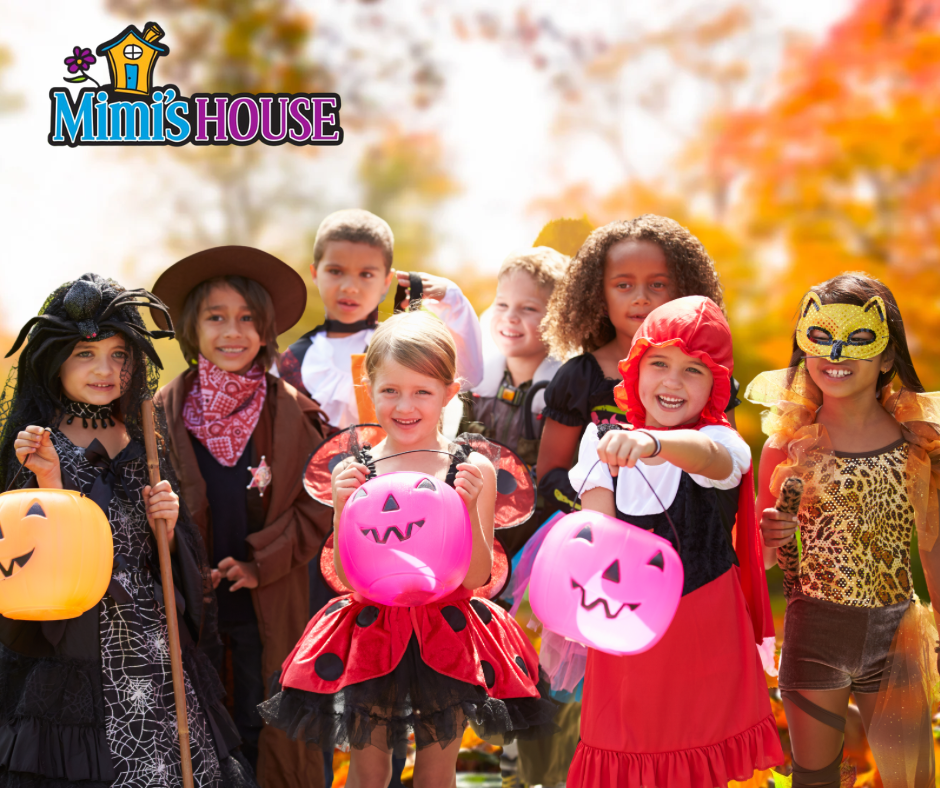
Halloween can be an exciting time for children, full of costumes, candy, and fun traditions. However, for younger children, the spooky elements can sometimes feel overwhelming. At MiMi’s House, we believe that Halloween should be a fun and enjoyable experience for all children, especially toddlers and preschoolers. Here are some simple yet effective tips to ensure your little one has a positive and safe Halloween this year.

1. Prioritize Emotional and Physical Safety

While Halloween is meant to be fun, it’s important to remember that many young children can’t distinguish between what’s real and what’s pretend. If something feels scary to your child, it’s very real to them. Take time to listen to their fears and reassure them that they are safe. Acknowledge their emotions, and offer comforting words. You can also explain that Halloween is a time when people dress up in costumes to pretend, which might help them feel more at ease. Normalize their feelings, and let them know it’s okay to feel unsure or afraid.

2. Create Enjoyable Family Traditions

Building non-scary family traditions around Halloween is a wonderful way to create positive memories while making the holiday feel safe for your child. Consider low-key activities like carving pumpkins, baking Halloween-themed treats, or having a cozy movie night with kid-friendly shows. Doing these fun, familiar activities together helps your child feel secure, reinforcing the idea that Halloween is more about family fun than fear. These simple traditions can become something your child looks forward to every year, giving them a sense of excitement rather than anxiety.

3. Encourage Creativity

Halloween is a fantastic time to let your child’s creativity shine! Give them the opportunity to make their own costume, create Halloween-inspired art, or engage in sensory play activities like themed sensory bins filled with spooky textures like slime, sand, or pasta. Cooking together can also be a great way to foster creativity—try making Halloween-themed snacks or treats as a family. Allowing your child to explore Halloween in creative ways not only encourages their imagination but also helps shift the focus from fear to fun.

4. Keep Activities Simple and Age-Appropriate

For young children, especially those aged 0-5, less is more when it comes to Halloween. Little ones can easily become overwhelmed by too many activities or overly spooky environments. Opt for age-appropriate, low-key activities that align with your child’s interests and energy levels. Whether it’s a relaxed family gathering, a simple trick-or-treat adventure, or a costume party with friends, keeping things simple will help prevent overstimulation. Pay attention to your child’s cues and adjust activities to make sure they’re comfortable.

Final Thoughts

At MiMi’s House, we believe that Halloween should be a time of joy and fun for every child. By focusing on your child’s emotional safety, creating family traditions, encouraging creativity, and keeping activities appropriate to their age, you can help ensure that Halloween is a positive and memorable experience. Remember, the goal is to make the holiday enjoyable and safe, so don’t feel pressured to do everything. Focus on what makes your child feel happy and secure, and you’re sure to have a wonderful Halloween together!

Happy Halloween from MiMi’s House! 🎃🧡🍭

Apple Themed Sensory Activity

The Magic of Sensory Play: Creating Cinnamon Apple Play Dough🍏🍎

At MiMi’s House, we believe in the power of hands-on, sensory-rich experiences to ignite learning in young children. One of our favorite fall activities is creating cinnamon-scented apple play dough! Not only is it a fun and creative project, but it also offers a wealth of early learning opportunities for preschoolers.

Why Sensory Play Matters

Sensory activities, like making play dough, engage multiple senses at once—touch, smell, sight, and sometimes even hearing. These experiences help children develop fine motor skills, strengthen hand-eye coordination, and encourage creativity. When kids squish, roll, and mold dough, they’re not just playing—they’re building the muscles they’ll need for writing, cutting, and other important skills later on.

Nature Meets Play

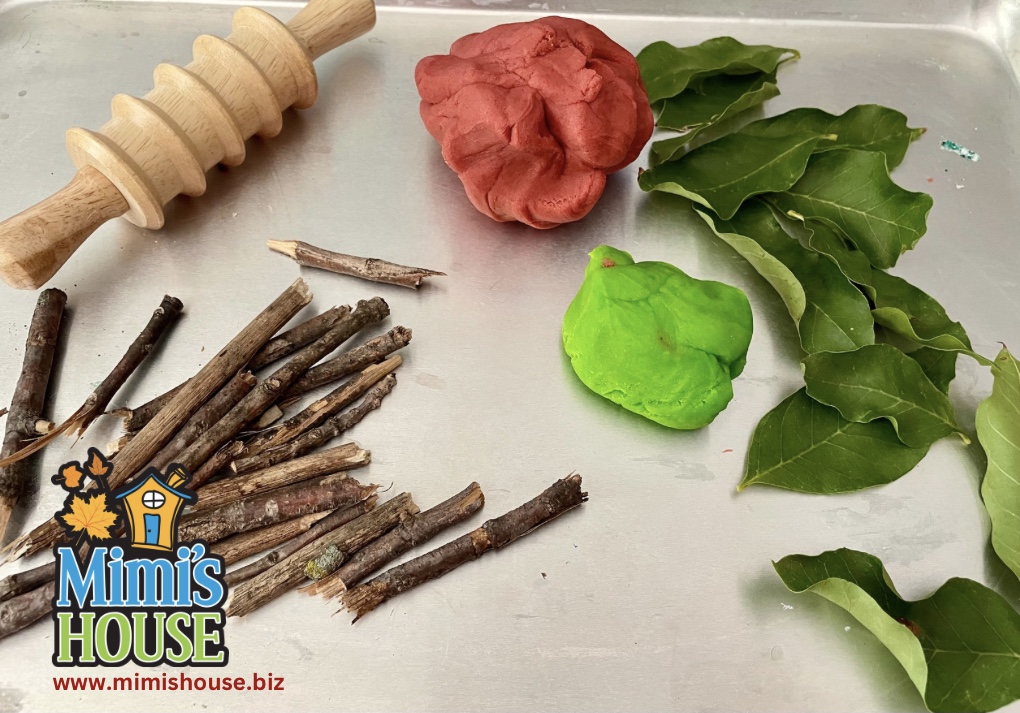
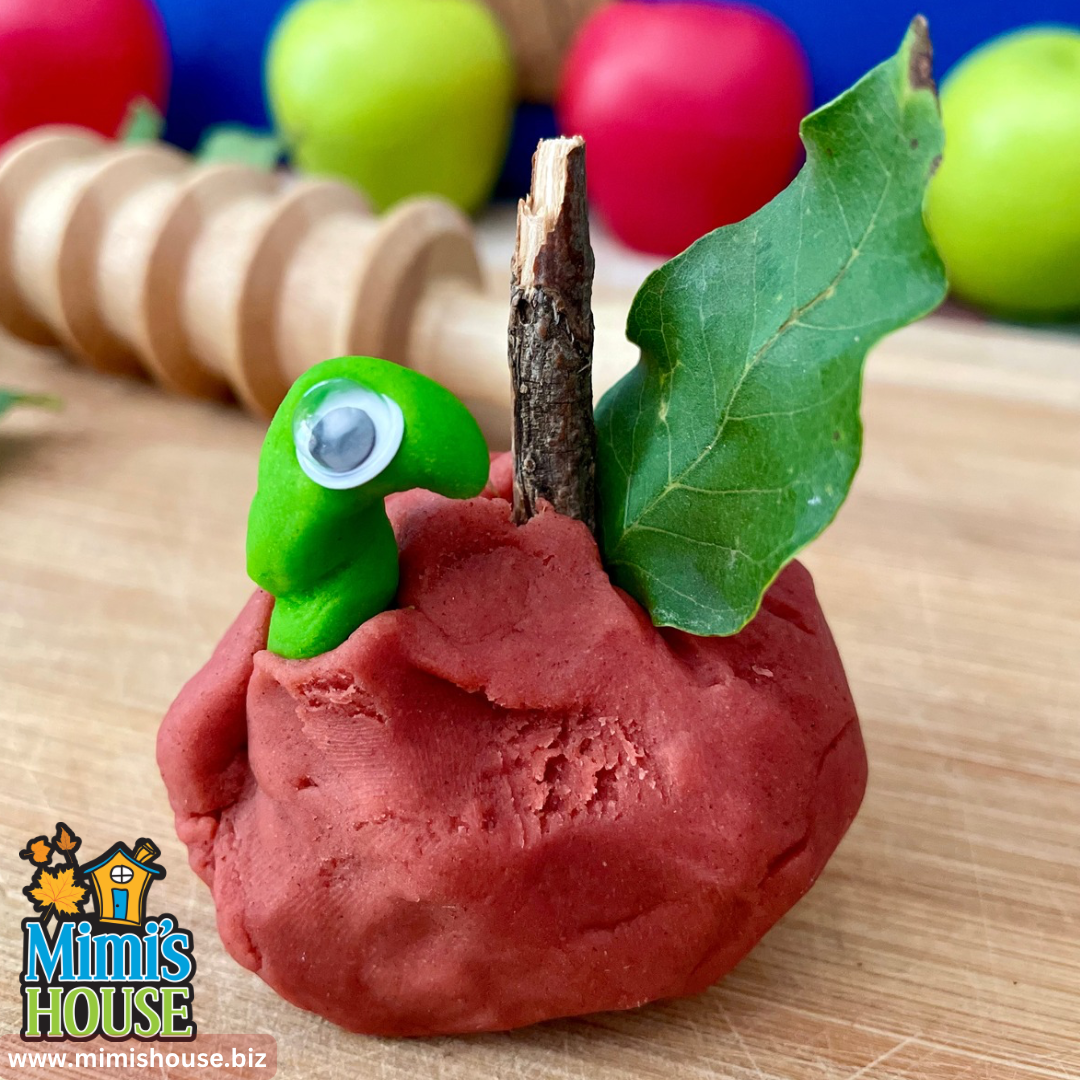
Incorporating natural elements, like sticks and leaves gathered from a nature walk, makes this activity even more special. It allows children to connect with the world around them, sparking curiosity and reinforcing their connection to nature. Gathering materials themselves fosters independence and decision-making, while decorating their play dough apples with these treasures encourages imaginative thinking.

Beyond the Fun

Creating and manipulating play dough isn’t just about having fun (although that’s important, too!). It’s about giving children the chance to explore textures, experiment with cause and effect, and engage in creative problem-solving. And the best part? They don’t even realize how much they’re learning as they play!

So, the next time your preschooler is squishing cinnamon-scented play dough, know that they are doing much more than just making apples—they’re building skills, expanding their minds, and exploring the world, one squish at a time.

Try it at home! Making play dough is easy, and letting your child’s imagination take the lead is one of the best ways to prepare them for future learning. You can find the recipe in the previous blog post or on my Facebook page! 🍎 🌟

SensoryPlay #PreschoolFun #HandsOnLearning #EarlyChildhood Education

🌟The Magic of Play Dough🌟: A Staple in Early Childhood Learning

By: Mitra Dee

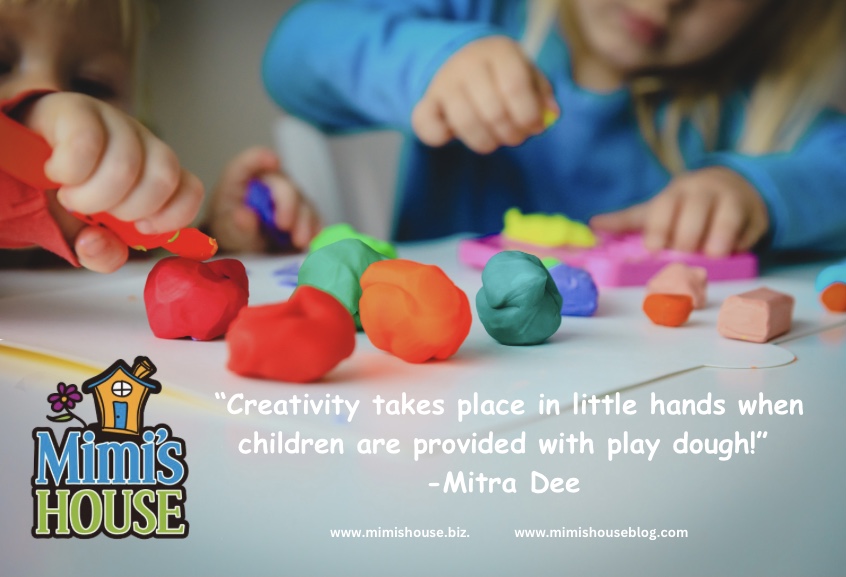
At MiMi’s House, we believe in the power of play to foster creativity, fine motor skills, and cognitive development in young children. One of the most versatile and beloved tools in early childhood education is play dough. This simple, non-toxic, and endlessly adaptable material has been a favorite in my classroom for years, and it’s a fantastic resource for parents and teachers alike.

The Benefits of Play Dough in Early Childhood Development

1. Fine Motor Skills Development:

Manipulating play dough helps strengthen the small muscles in children’s hands and fingers. This is crucial for tasks like writing, buttoning clothes, and using utensils. Rolling, squishing, flattening, and cutting play dough all provide excellent opportunities for children to build these essential motor skills.

2. Creativity and Imagination:🌟

Play dough is a blank canvas for young minds. Children can create anything they imagine, from animals to abstract shapes. This open-ended play fosters creativity and encourages children to think outside the box.

3. Language and Communication:

As children create with play dough, they often describe what they’re making or engage in storytelling. This enhances their language skills and encourages them to communicate their ideas. It’s a fantastic way to introduce new vocabulary and concepts in a fun, interactive way.

4. Emotional Expression:

Working with play dough can be a calming activity, allowing children to express their emotions in a safe and non-verbal way. The tactile experience can be soothing, helping children manage stress or anxiety.

5. Social Skills:

Play dough is perfect for group activities. Whether children are sharing tools, collaborating on a project, or simply playing side by side, they learn important social skills like sharing, taking turns, and working together.

My Favorite Play Dough Recipe❤️

I’ve used this play dough recipe for years, and it’s always been a hit with the kids in my care. It’s non-toxic, easy to make, and has a wonderfully smooth texture. Plus, it’s salty—so if your little one is anything like my oldest daughter, who used to sneak bites of play dough when she was in my home daycare, the taste will likely deter them from eating too much! (But let’s be honest, we all have to hide it from them sometimes, hahaha!)

Ingredients:

– 2 cups all-purpose flour

– 1 cup salt

– 2 tablespoons cream of tartar

– 2 tablespoons vegetable oil

– 2 cups water

– Food coloring (optional)

Instructions 🥣

1. In a large pot, mix together the flour, salt, and cream of tartar.

2. Add the water and vegetable oil to the dry ingredients and stir until combined.

3. If you want to add color, stir in a few drops of food coloring at this point.

4. Cook the mixture over medium heat, stirring constantly. The dough will start to thicken as it heats up.

5. Continue stirring until the dough forms a ball and pulls away from the sides of the pot. This usually takes about 5-7 minutes.

6. Remove the pot from heat and let the dough cool for a few minutes.

7. Once it’s cool enough to handle, knead the dough on a flat surface until it’s smooth and elastic.

8. Store in an airtight container to keep it fresh for weeks!

Fun Variations to Try

One of the best things about this play dough recipe is how easily you can customize it. Here are some of my favorite variations:

1. Scented Play Dough:🔴

Add a few drops of essential oils to the dough for a sensory experience. Lavender is great for calming, while peppermint or citrus scents can be invigorating.

2. Glitter Play Dough:🟡

Mix in some fine glitter for a magical sparkle that kids will love. Just be prepared for a little extra cleanup!

3. Kool-Aid Play Dough:🟣

For a fun twist, use a packet of unsweetened Kool-Aid instead of food coloring. It adds both color and scent to the dough. Plus, kids will enjoy the fruity smell!

4. Textured Play Dough:🔵

Add sand, rice, or tiny beads to the dough for an interesting texture that provides extra sensory stimulation.

5. Seasonal Play Dough: 🟢

Get creative with seasonal scents and colors. For example, add cinnamon and nutmeg for a fall-inspired dough, or try red and green colors with peppermint scent for a festive holiday version.

Conclusion

Play dough is more than just a fun activity—it’s a powerful tool for learning and development in early childhood. Whether you’re a teacher or a parent, incorporating play dough into your daily routine can provide endless opportunities for your child to grow, learn, and express themselves. 

And remember, while this recipe is safe, it’s best to keep an eye on those little ones who might be tempted to have a salty snack. Enjoy the creative journey with your children, and happy playing! 

I hope this recipe and these ideas bring as much joy to your home or classroom as they have to mine over the years. Feel free to share your own play dough creations or any other fun variations you come up with!

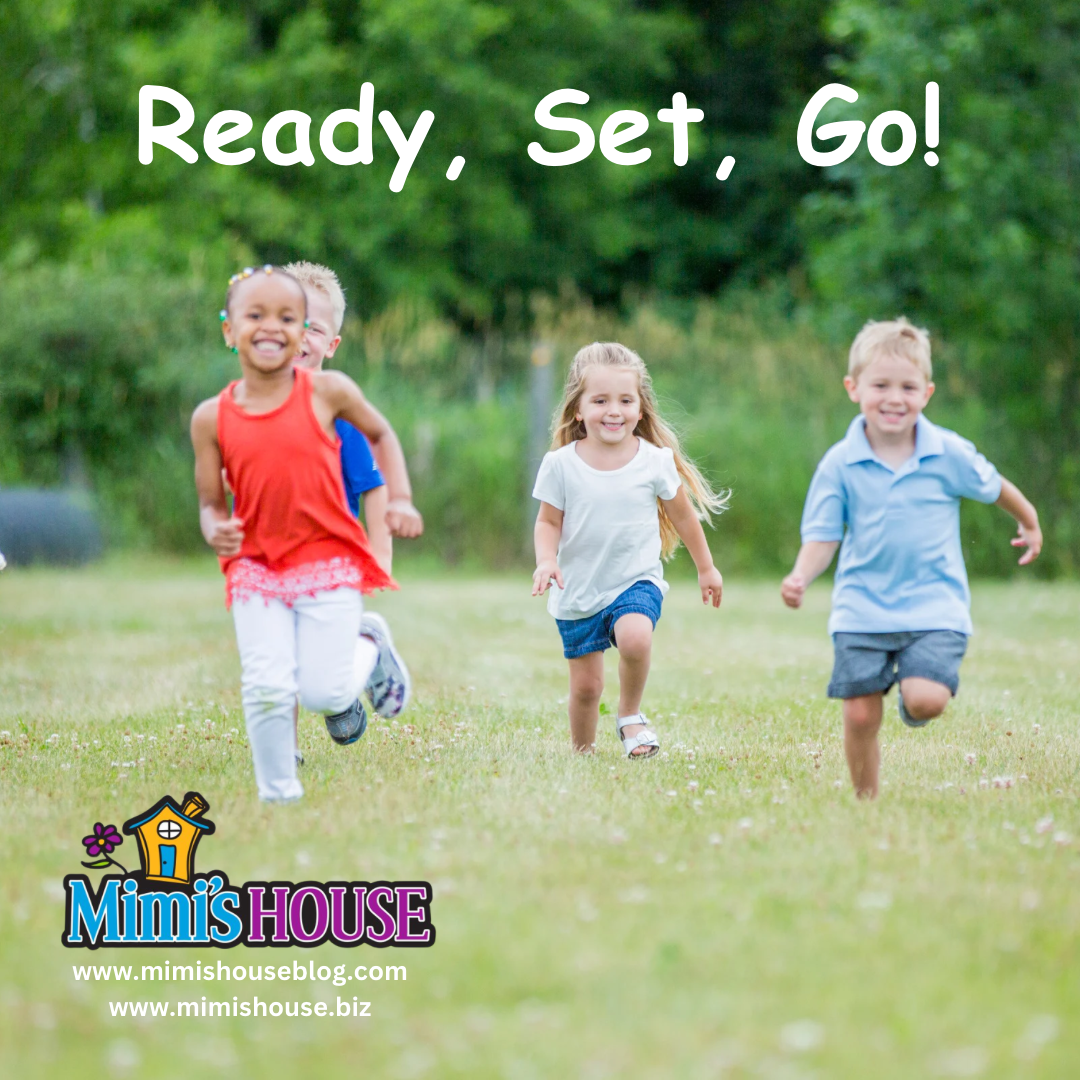
Ready, Set, Go!

By: Mitra Dee

Making the First Week of Preschool a Smooth Transition for Everyone

The first week of preschool is a big milestone for children, parents, and teachers alike. It’s an exciting time, full of potential and new beginnings, but it can also be a little overwhelming. To help ease the transition, here’s a guide packed with early childhood insights, tips, and tricks to make those first few days as stress-free and smooth as possible for everyone involved.

1.Prepare Your Child Emotionally

Children often sense when something big is about to happen. To help them feel more secure about starting preschool, talk about what they can expect. Use simple, positive language to describe the classroom, the teachers, and the activities they’ll be doing. Role-playing can also be a great way to practice saying goodbye and hello again after a few hours. The more familiar preschool feels before it starts, the more comfortable your child will be on the big day.

Tip:Read books about starting school together. Stories like *”The Kissing Hand”* by Audrey Penn or *”Llama Llama Misses Mama”* by Anna Dewdney can help children understand and process their feelings about starting school.

2. Establish a Consistent Routine

Routine is a child’s best friend, especially during times of change. Start establishing a consistent morning routine a week before school begins. This could include a specific wake-up time, getting dressed, eating breakfast, and packing a bag. Knowing what comes next can reduce anxiety and make the mornings less rushed.

Create a visual schedule with pictures of each step in your morning routine. Preschoolers love visuals, and this helps them know what to expect and what they should be doing next.

3. Visit the School Ahead of Time

If possible, take your child to visit the school before the first day. Many preschools offer open houses or orientation days where children can explore their new environment with their parents. This visit helps make the classroom a familiar place and gives children the opportunity to meet their teachers and maybe even a few classmates.

Tip:  Point out fun areas in the classroom, like the reading nook or the art corner, to build excitement.

4. Plan for a Smooth Drop-Off

The first drop-off can be emotional for both parents and children. It’s important to keep goodbyes short and sweet. Prolonging the departure can increase anxiety for your child. Instead, establish a goodbye ritual—a special hug, a high-five, or a wave through the window—that you can repeat every day. This creates consistency and reassures your child that you will always come back.

Leave a comfort item with your child, like a small stuffed animal or a family photo. This can provide comfort throughout the day.

 5. Communicate with Teachers

Teachers are there to help make the transition smooth for your child. Don’t hesitate to share any concerns or special needs your child might have. The more the teacher knows about your child, the better they can help them adjust to their new environment.

Tip:  Briefly inform the teacher about your child’s likes, dislikes, and any routines they’re used to. This can be helpful in making them feel more at home in the classroom.

 6. Manage Your Own Emotions

It’s natural for parents to feel a mix of emotions during the first week of school. Children are very perceptive and can pick up on your feelings. Try to stay positive and calm, even if you’re feeling a little anxious. Remember, it’s okay to feel emotional—just be mindful of how you express those emotions in front of your child.

Plan something for yourself after drop-off, whether it’s grabbing a coffee, meeting up with a friend, or indulging in a little self-care. This can help take your mind off the separation and give you something to look forward to.

 7. Reinforce the Positives at Home

After school, ask your child about their day and celebrate the little victories, like making a new friend or completing a fun activity. Positive reinforcement helps your child associate school with good feelings and encourages them to look forward to the next day.

Tip:Use a simple chart at home to track these daily wins. Stickers or stars for each day they go to school happily can be a fun way to acknowledge their bravery and resilience.

8. Be Patient

Keep in touch with the teacher for updates on how your child is doing. Knowing that your child is gradually adjusting can help ease your own concerns.

Every child adjusts to preschool at their own pace. Some may take to it immediately, while others might need a little more time. Be patient and offer plenty of love and support. The transition will get easier with each passing day.

Conclusion

The first week of preschool is a significant step in your child’s journey of learning and growth. With a little preparation, a lot of patience, and plenty of positive reinforcement, you can help make this transition a smooth and happy one for both your child and yourself. Remember, you’re not alone in this—teachers are there to support you every step of the way, and with the right approach, this first week can be the start of a wonderful adventure in learning.