
The Joy of Spring: The Benefits of Outdoor Play and Exploration for Preschoolers

The Joy of Spring: The Benefits of Outdoor Play and Exploration for Preschoolers
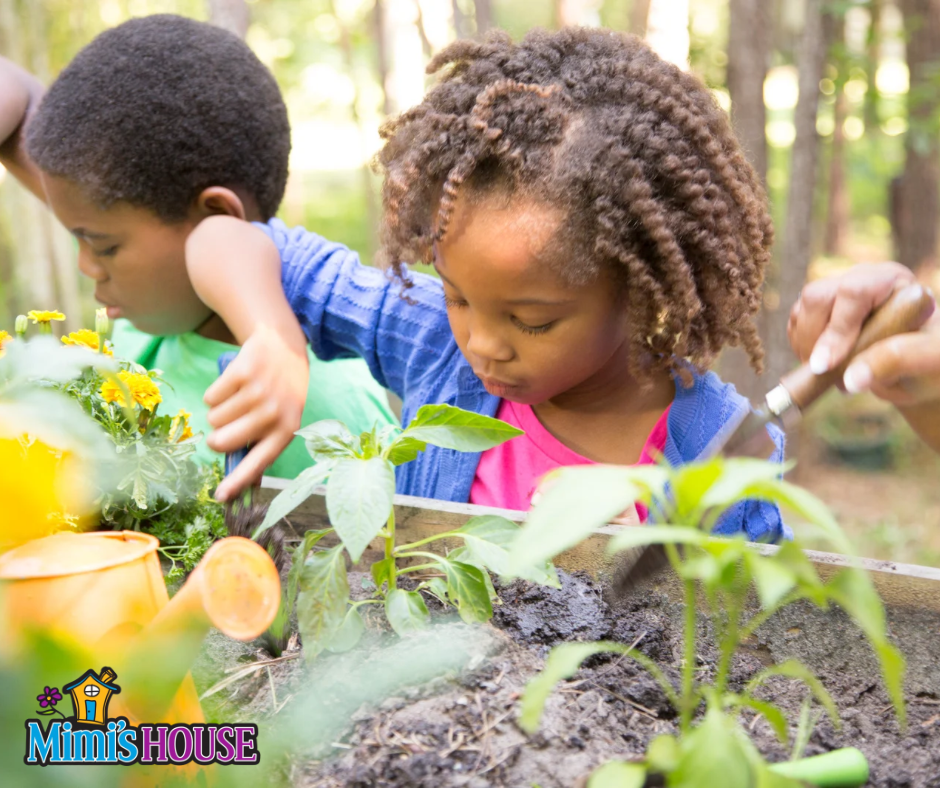
Springtime is a season of renewal, growth, and endless discovery. As flowers bloom, birds sing, and the world bursts into color, there is no better time to take learning outside and encourage preschoolers to explore the beauty of nature. Outdoor play is not just fun—it’s essential for a child’s development. When children step outside, they engage their senses, strengthen their bodies, and experience the wonder of the world around them.

Encouraging a Sense of Wonder

Children are naturally curious, and the outdoors provides the perfect setting for them to explore, ask questions, and discover new things. From feeling the warmth of the sun to digging in the soil and watching insects at work, spending time in nature fosters a deep appreciation for life and the world we’ve been given. Whether admiring the colors of a butterfly’s wings or the way flowers stretch toward the sky, outdoor play helps children develop gratitude and a sense of connection to something greater than themselves.

Physical Benefits of Outdoor Play

Spring provides the perfect weather for children to run, jump, climb, and explore. These activities:

  • Build strength and coordination – Running, climbing, and balancing help develop gross motor skills.

  • Encourage a healthy lifestyle – Fresh air and movement promote strong bodies and minds.

  • Support better sleep – Exposure to natural light and active play improve sleep quality.

Cognitive and Emotional Growth Through Outdoor Exploration

Outdoor play is more than just exercise—it’s a classroom without walls. When children engage with nature, they develop:

  • Curiosity and problem-solving skills – Observing bugs, building forts, or figuring out how to climb a tree encourages critical thinking.

  • Creativity – Unstructured play allows children to use their imaginations in ways that screens and structured activities can’t.

  • Resilience and confidence – Overcoming small challenges outside (like balancing on a log or trying a new playground structure) helps build perseverance.

Social Growth and Connection Through Outdoor Play

Outdoor play fosters important social skills as children:

  • Learn cooperation – Playing games and exploring together encourages teamwork and patience.

  • Practice kindness and sharing – Whether it’s taking turns on a swing or helping a friend find a lost toy, outdoor play teaches empathy.

  • Develop a sense of responsibility – Taking care of plants, observing animals, and learning about nature helps children understand the importance of respecting and caring for the world around them.

Practical Ways to Bring Springtime Learning Outside

  • Nature Walks & Scavenger Hunts – Create a list of things for children to find, such as a bird, a yellow flower, or a buzzing bee.

  • Garden Together – Let children plant seeds, water plants, and observe how things grow. Gardening is a wonderful way to teach patience and responsibility.

  • Outdoor Art – Use sidewalk chalk, make nature collages, or paint with mud and water.

  • Storytime in the Sunshine – Read a favorite book outside and encourage children to talk about what they see and hear around them.

Embrace the Season!

Spring is a gift, a time to slow down, breathe in fresh air, and enjoy the beauty of nature. As preschool teachers and parents, we have the privilege of shaping how children see and interact with the world. By embracing outdoor play and exploration, we give them space to grow, learn, and appreciate the wonders of creation. So grab your sun hats, step outside, and let the adventures begin!

What are your favorite ways to explore the outdoors with preschoolers? Share your ideas in the comments!

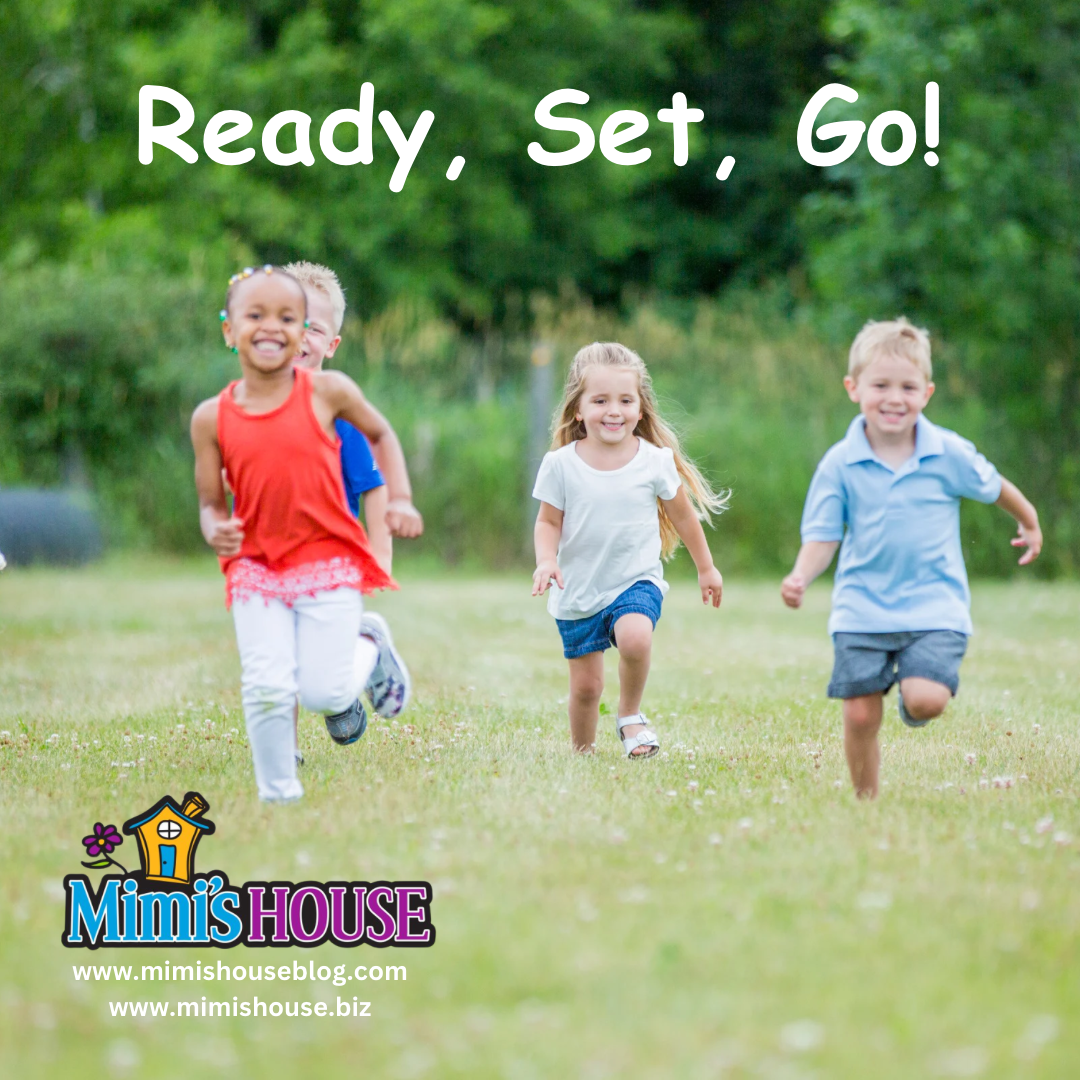
Ready, Set, Go!

By: Mitra Dee

Making the First Week of Preschool a Smooth Transition for Everyone

The first week of preschool is a big milestone for children, parents, and teachers alike. It’s an exciting time, full of potential and new beginnings, but it can also be a little overwhelming. To help ease the transition, here’s a guide packed with early childhood insights, tips, and tricks to make those first few days as stress-free and smooth as possible for everyone involved.

1.Prepare Your Child Emotionally

Children often sense when something big is about to happen. To help them feel more secure about starting preschool, talk about what they can expect. Use simple, positive language to describe the classroom, the teachers, and the activities they’ll be doing. Role-playing can also be a great way to practice saying goodbye and hello again after a few hours. The more familiar preschool feels before it starts, the more comfortable your child will be on the big day.

Tip:Read books about starting school together. Stories like *”The Kissing Hand”* by Audrey Penn or *”Llama Llama Misses Mama”* by Anna Dewdney can help children understand and process their feelings about starting school.

2. Establish a Consistent Routine

Routine is a child’s best friend, especially during times of change. Start establishing a consistent morning routine a week before school begins. This could include a specific wake-up time, getting dressed, eating breakfast, and packing a bag. Knowing what comes next can reduce anxiety and make the mornings less rushed.

Create a visual schedule with pictures of each step in your morning routine. Preschoolers love visuals, and this helps them know what to expect and what they should be doing next.

3. Visit the School Ahead of Time

If possible, take your child to visit the school before the first day. Many preschools offer open houses or orientation days where children can explore their new environment with their parents. This visit helps make the classroom a familiar place and gives children the opportunity to meet their teachers and maybe even a few classmates.

Tip:  Point out fun areas in the classroom, like the reading nook or the art corner, to build excitement.

4. Plan for a Smooth Drop-Off

The first drop-off can be emotional for both parents and children. It’s important to keep goodbyes short and sweet. Prolonging the departure can increase anxiety for your child. Instead, establish a goodbye ritual—a special hug, a high-five, or a wave through the window—that you can repeat every day. This creates consistency and reassures your child that you will always come back.

Leave a comfort item with your child, like a small stuffed animal or a family photo. This can provide comfort throughout the day.

 5. Communicate with Teachers

Teachers are there to help make the transition smooth for your child. Don’t hesitate to share any concerns or special needs your child might have. The more the teacher knows about your child, the better they can help them adjust to their new environment.

Tip:  Briefly inform the teacher about your child’s likes, dislikes, and any routines they’re used to. This can be helpful in making them feel more at home in the classroom.

 6. Manage Your Own Emotions

It’s natural for parents to feel a mix of emotions during the first week of school. Children are very perceptive and can pick up on your feelings. Try to stay positive and calm, even if you’re feeling a little anxious. Remember, it’s okay to feel emotional—just be mindful of how you express those emotions in front of your child.

Plan something for yourself after drop-off, whether it’s grabbing a coffee, meeting up with a friend, or indulging in a little self-care. This can help take your mind off the separation and give you something to look forward to.

 7. Reinforce the Positives at Home

After school, ask your child about their day and celebrate the little victories, like making a new friend or completing a fun activity. Positive reinforcement helps your child associate school with good feelings and encourages them to look forward to the next day.

Tip:Use a simple chart at home to track these daily wins. Stickers or stars for each day they go to school happily can be a fun way to acknowledge their bravery and resilience.

8. Be Patient

Keep in touch with the teacher for updates on how your child is doing. Knowing that your child is gradually adjusting can help ease your own concerns.

Every child adjusts to preschool at their own pace. Some may take to it immediately, while others might need a little more time. Be patient and offer plenty of love and support. The transition will get easier with each passing day.

Conclusion

The first week of preschool is a significant step in your child’s journey of learning and growth. With a little preparation, a lot of patience, and plenty of positive reinforcement, you can help make this transition a smooth and happy one for both your child and yourself. Remember, you’re not alone in this—teachers are there to support you every step of the way, and with the right approach, this first week can be the start of a wonderful adventure in learning.