Keeping Calm at Christmas: A Gentle Guide for Early Childhood Educators & Parents

By:Mitra Dee©️ B.S. Elem Ed, Early Childhood Ed, Music Ed, MA General Ed

The Christmas season sparkles with excitement—twinkling lights, classroom parties, holiday songs, extra activities, and a thousand tiny moments that feel magical to young children.

But for the adults guiding them—teachers, caregivers, and parents—December can also feel loud, rushed, overstimulating, and full of expectations.

If you’ve ever found yourself whispering, “Just breathe” between glitter spills and sugar-cookie energy… you’re not alone.

In early childhood, calm is not the absence of noise—calm is the presence of connection. And connection is something we can choose to nurture, even in the busiest season of the year.

Here are a few simple reminders to help you and your little ones stay grounded, joyful, and peaceful during the holidays.

1. Keep Predictable Routines (As Much as You Can)

Children thrive when they know what comes next.

During December, schedules twist and turn—rehearsals, field trips, class parties, family gatherings.

Even a slightly predictable rhythm gives children a sense of safety.

  • Keep your morning routine steady.
  • Maintain nap and snack times when possible.
  • Use picture schedules to show “today is a special day.”
  • Prepare children with simple language: “Today will feel different. We will do this together.”

Consistency reduces anxiety—for them and for us.

2. Slow the Energy When It Starts to Rise

Holiday excitement grows quickly in little bodies. You will see it in bouncing feet, spinning dances, louder voices, and sometimes… meltdowns.

Create moments of mindful pause:

  • Soft Christmas instrumental music
  • Slow breathing with twinkly lights (“Smell the cocoa… blow out the candle…”)
  • A short picture book
  • One-minute stretches
  • A cozy corner with pillows and winter books

You don’t have to stop the fun—just sprinkle calm into the margins.

3. Choose Connection Over Perfection

The pressure to make everything magical can take away the magic.

Children remember:

  • Your smile
  • Your warmth
  • The way you held their hand during a song
  • The moment you knelt down to listen

They do not remember:

  • If every craft was “Pinterest perfect”
  • If the program had mistakes
  • If the cookies crumbled

This season, let go of perfection and hold onto presence.

4. Keep Expectations Simple

Little ones don’t need a long to-do list of activities.

They need simple joys, repeated often:

  • Jingle Bells with real bells
  • A Christmas sensory bin
  • One sweet craft
  • A picture book each morning
  • A walk to see lights
  • A kindness activity (making cards, saying thank you, helping a friend)

Choose what matters most, and release the rest.

5. Protect Your Own Calm

When adults feel rushed, overwhelmed, or exhausted, children feel it too.

Give yourself permission to:

  • Take five quiet minutes in the car before walking into school.
  • Say no to one extra activity.
  • Drink water.
  • Pray or breathe deeply between transitions.
  • Ask for help.
  • Laugh when things go sideways.

A calm grown-up creates a calm classroom.

And remember: You are doing sacred work.

You are shaping memories, planting peace, and giving little hearts a sense of wonder.

6. Build Moments of Meaning, Not Just Activity

The holiday season can be an opportunity to teach:

  • Gratitude
  • Generosity
  • Waiting
  • Joy
  • Kindness

These are the true gifts children carry into the new year.

Simple conversations work wonders:

“Who can we bless today?”

“How can we show kindness in our classroom?”

“What made your heart happy today?”

Small seeds grow into big character.

A Final Word of Peace for You

Dear educators, caregivers, and parents—

You do so much unseen work to make this season warm, joyful, and safe for children.

Let this Christmas be a reminder:

You do not need to create perfect moments.

Just create loving ones.

Breathe.

Slow down.

See the sparkle in the small things.

Let peace begin with you… and let it gently overflow into the hearts of your little ones.

Merry Christmas—from Mimi’s House to your home and classroom.

May your days be calm, bright, and filled with simple joy.

The Joy of Spring: The Benefits of Outdoor Play and Exploration for Preschoolers

The Joy of Spring: The Benefits of Outdoor Play and Exploration for Preschoolers

Springtime is a season of renewal, growth, and endless discovery. As flowers bloom, birds sing, and the world bursts into color, there is no better time to take learning outside and encourage preschoolers to explore the beauty of nature. Outdoor play is not just fun—it’s essential for a child’s development. When children step outside, they engage their senses, strengthen their bodies, and experience the wonder of the world around them.

Encouraging a Sense of Wonder

Children are naturally curious, and the outdoors provides the perfect setting for them to explore, ask questions, and discover new things. From feeling the warmth of the sun to digging in the soil and watching insects at work, spending time in nature fosters a deep appreciation for life and the world we’ve been given. Whether admiring the colors of a butterfly’s wings or the way flowers stretch toward the sky, outdoor play helps children develop gratitude and a sense of connection to something greater than themselves.

Physical Benefits of Outdoor Play

Spring provides the perfect weather for children to run, jump, climb, and explore. These activities:

  • Build strength and coordination – Running, climbing, and balancing help develop gross motor skills.

  • Encourage a healthy lifestyle – Fresh air and movement promote strong bodies and minds.

  • Support better sleep – Exposure to natural light and active play improve sleep quality.

Cognitive and Emotional Growth Through Outdoor Exploration

Outdoor play is more than just exercise—it’s a classroom without walls. When children engage with nature, they develop:

  • Curiosity and problem-solving skills – Observing bugs, building forts, or figuring out how to climb a tree encourages critical thinking.

  • Creativity – Unstructured play allows children to use their imaginations in ways that screens and structured activities can’t.

  • Resilience and confidence – Overcoming small challenges outside (like balancing on a log or trying a new playground structure) helps build perseverance.

Social Growth and Connection Through Outdoor Play

Outdoor play fosters important social skills as children:

  • Learn cooperation – Playing games and exploring together encourages teamwork and patience.

  • Practice kindness and sharing – Whether it’s taking turns on a swing or helping a friend find a lost toy, outdoor play teaches empathy.

  • Develop a sense of responsibility – Taking care of plants, observing animals, and learning about nature helps children understand the importance of respecting and caring for the world around them.

Practical Ways to Bring Springtime Learning Outside

  • Nature Walks & Scavenger Hunts – Create a list of things for children to find, such as a bird, a yellow flower, or a buzzing bee.

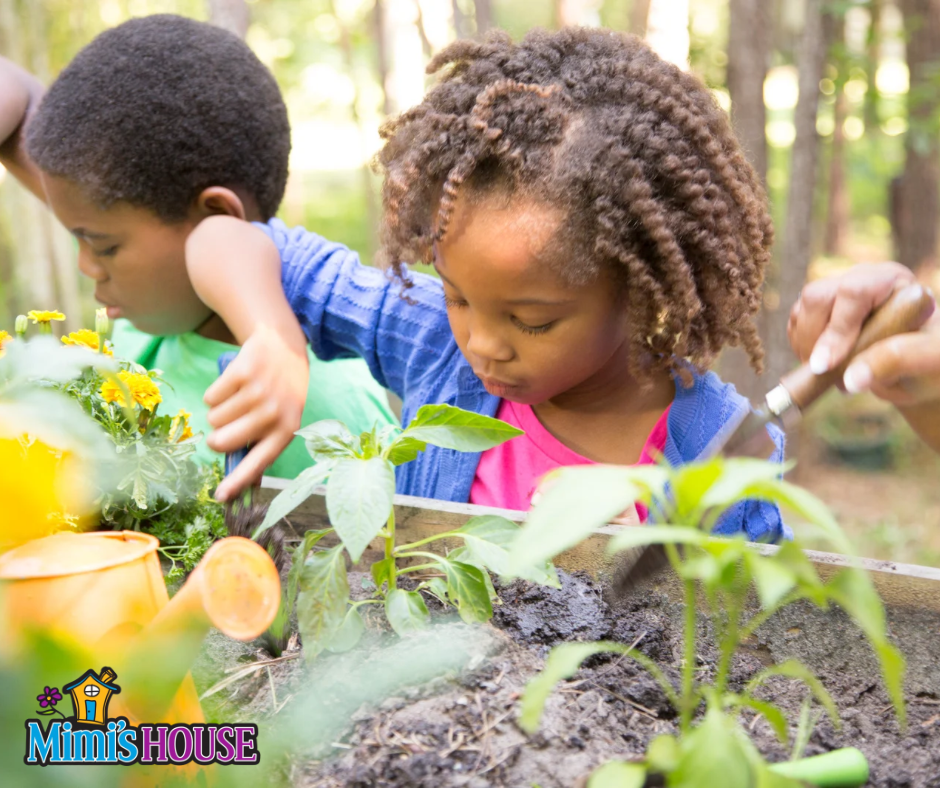
  • Garden Together – Let children plant seeds, water plants, and observe how things grow. Gardening is a wonderful way to teach patience and responsibility.

  • Outdoor Art – Use sidewalk chalk, make nature collages, or paint with mud and water.

  • Storytime in the Sunshine – Read a favorite book outside and encourage children to talk about what they see and hear around them.

Embrace the Season!

Spring is a gift, a time to slow down, breathe in fresh air, and enjoy the beauty of nature. As preschool teachers and parents, we have the privilege of shaping how children see and interact with the world. By embracing outdoor play and exploration, we give them space to grow, learn, and appreciate the wonders of creation. So grab your sun hats, step outside, and let the adventures begin!

What are your favorite ways to explore the outdoors with preschoolers? Share your ideas in the comments!

Perfectly Imperfect Holiday Decorating with Kids 🎄

Perfectly Imperfect: Letting Kids Help with Holiday Decorating

The holiday season is a time for joy, togetherness, and creativity. Yet, for many parents and educators, it can also come with the pressure to create a picture-perfect environment. Here’s the good news: perfection isn’t what makes the holidays magical—participation is! Letting kids join in the decorating fun, no matter how “messy” it might get, helps them feel valued, builds important skills, and creates lasting memories.

Why Letting Kids Help Matters

When you allow children to take part in decorating, you’re doing more than giving them a task—you’re giving them an opportunity to learn and grow.

1. Encourages Creativity🖍️

Children see the world with fresh eyes, and their ideas often bring a sense of wonder and fun that adults might overlook. A tree covered in handmade ornaments or garland strung with wild abandon has more personality and heart than any store-bought display.

2. Builds Confidence and Independence

When kids are trusted to help with important tasks like decorating, it sends a powerful message: You are capable. Completing even small decorating jobs helps build their confidence and sense of independence.

3. Teaches Problem-Solving Skills

Deciding where to hang ornaments or how to decorate a gingerbread house involves decision-making and problem-solving. These are critical skills that children can develop through play and participation.

4. Strengthens Family Bonds

Holiday decorating isn’t just about the outcome—it’s about the process. Working together as a family or classroom creates shared memories and strengthens relationships. Kids will remember the laughs and teamwork far more than how perfect the decorations looked.

The Science Behind “Imperfect” Decorating

Child development experts emphasize that children thrive when they’re included in meaningful activities. Participation builds a sense of belonging and accomplishment, which supports emotional well-being.

In fact, studies show that shared activities like decorating or cooking together release oxytocin, the “bonding hormone.” This makes everyone feel more connected, which is the true spirit of the holidays!

Practical Tips for Decorating with Kids

If the idea of letting kids help feels overwhelming, these tips can make the process more enjoyable:

1. Set Realistic Expectations: Embrace imperfection and focus on the experience rather than the outcome.

2. Provide Kid-Friendly Materials: Offer unbreakable ornaments, washable markers, or paper crafts that are easy for little hands to manage.

3. Give Choices: Let children decide where to place decorations or which colors to use.

4. Celebrate Their Work: Show genuine enthusiasm for their efforts, no matter how wacky or “off-theme” they might seem.

5. Make It Fun: Play holiday music, tell stories, or share snacks while you work together.

Letting Go of Perfect

Perfection is overrated—especially when it comes at the cost of shared joy. This holiday season, let your children’s creativity shine. Their crooked ornaments, glitter-covered crafts, and unique ideas will create a home or classroom filled with love, laughter, and holiday spirit.

Remember, the best decorations aren’t flawless—they’re the ones made with tiny hands and big hearts.

Happy decorating!

Mimi’s House