Keeping Calm at Christmas: A Gentle Guide for Early Childhood Educators & Parents

By:Mitra Dee©️ B.S. Elem Ed, Early Childhood Ed, Music Ed, MA General Ed

The Christmas season sparkles with excitement—twinkling lights, classroom parties, holiday songs, extra activities, and a thousand tiny moments that feel magical to young children.

But for the adults guiding them—teachers, caregivers, and parents—December can also feel loud, rushed, overstimulating, and full of expectations.

If you’ve ever found yourself whispering, “Just breathe” between glitter spills and sugar-cookie energy… you’re not alone.

In early childhood, calm is not the absence of noise—calm is the presence of connection. And connection is something we can choose to nurture, even in the busiest season of the year.

Here are a few simple reminders to help you and your little ones stay grounded, joyful, and peaceful during the holidays.

1. Keep Predictable Routines (As Much as You Can)

Children thrive when they know what comes next.

During December, schedules twist and turn—rehearsals, field trips, class parties, family gatherings.

Even a slightly predictable rhythm gives children a sense of safety.

  • Keep your morning routine steady.
  • Maintain nap and snack times when possible.
  • Use picture schedules to show “today is a special day.”
  • Prepare children with simple language: “Today will feel different. We will do this together.”

Consistency reduces anxiety—for them and for us.

2. Slow the Energy When It Starts to Rise

Holiday excitement grows quickly in little bodies. You will see it in bouncing feet, spinning dances, louder voices, and sometimes… meltdowns.

Create moments of mindful pause:

  • Soft Christmas instrumental music
  • Slow breathing with twinkly lights (“Smell the cocoa… blow out the candle…”)
  • A short picture book
  • One-minute stretches
  • A cozy corner with pillows and winter books

You don’t have to stop the fun—just sprinkle calm into the margins.

3. Choose Connection Over Perfection

The pressure to make everything magical can take away the magic.

Children remember:

  • Your smile
  • Your warmth
  • The way you held their hand during a song
  • The moment you knelt down to listen

They do not remember:

  • If every craft was “Pinterest perfect”
  • If the program had mistakes
  • If the cookies crumbled

This season, let go of perfection and hold onto presence.

4. Keep Expectations Simple

Little ones don’t need a long to-do list of activities.

They need simple joys, repeated often:

  • Jingle Bells with real bells
  • A Christmas sensory bin
  • One sweet craft
  • A picture book each morning
  • A walk to see lights
  • A kindness activity (making cards, saying thank you, helping a friend)

Choose what matters most, and release the rest.

5. Protect Your Own Calm

When adults feel rushed, overwhelmed, or exhausted, children feel it too.

Give yourself permission to:

  • Take five quiet minutes in the car before walking into school.
  • Say no to one extra activity.
  • Drink water.
  • Pray or breathe deeply between transitions.
  • Ask for help.
  • Laugh when things go sideways.

A calm grown-up creates a calm classroom.

And remember: You are doing sacred work.

You are shaping memories, planting peace, and giving little hearts a sense of wonder.

6. Build Moments of Meaning, Not Just Activity

The holiday season can be an opportunity to teach:

  • Gratitude
  • Generosity
  • Waiting
  • Joy
  • Kindness

These are the true gifts children carry into the new year.

Simple conversations work wonders:

“Who can we bless today?”

“How can we show kindness in our classroom?”

“What made your heart happy today?”

Small seeds grow into big character.

A Final Word of Peace for You

Dear educators, caregivers, and parents—

You do so much unseen work to make this season warm, joyful, and safe for children.

Let this Christmas be a reminder:

You do not need to create perfect moments.

Just create loving ones.

Breathe.

Slow down.

See the sparkle in the small things.

Let peace begin with you… and let it gently overflow into the hearts of your little ones.

Merry Christmas—from Mimi’s House to your home and classroom.

May your days be calm, bright, and filled with simple joy.

❤️Spreading Love and Kindness with Preschoolers This Valentine’s Day❤️

Valentine’s Day is more than just hearts, chocolates, and cards—it’s a beautiful opportunity to teach young children about love, kindness, and the joy of giving. Whether you’re a teacher in a classroom or a parent at home, you have the privilege of shaping how children express love and appreciation for others, not just on Valentine’s Day but every day.

❤️Teaching Children to Share Love and Kindness

At MiMi’s House, we believe that love is shown through kind words, caring actions, and a giving spirit. Here are some simple and meaningful ways to help preschoolers understand and practice love and kindness this Valentine’s Day:

❤️1. Acts of Kindness Heart Chain

Cut out paper hearts and invite your child to write or dictate an act of kindness they can do for a friend, sibling, or family member. Link the hearts together to create a kindness chain that grows throughout the day or week! This is a great activity for both classrooms and home learning.

🩷2. Love in a Jar

Set up a “Love in a Jar” station where children can place kind notes, drawings, or words of encouragement for their classmates, siblings, or family members. At the end of the day, read them aloud to remind children how much their kind words can brighten someone’s day.

💜3. The Sharing is Caring Game

Use a simple game to help children practice sharing. Place a few toys, crayons, or sensory items in the middle of a circle (or a family gathering) and take turns passing them around. Talk about how it feels to share and receive, reinforcing the joy of generosity.

❤️4. A Special Valentine’s Day Song

Music is a powerful way to teach young children about love. Sing songs about friendship, caring, and love together. Try incorporating the song “I Love You”, which is perfect for reinforcing the message of love and connection in both classrooms and homes.

(You can find the song on my YouTube channel!❤️)

🩷5. Read a Story About Love

Books are a wonderful way to introduce the concept of love in a way that children can understand. Read “The Lost Valentine” by Mitra Dee, a heartwarming story that encourages children to spread love, care for others, and appreciate the special people in their lives.

(Available soon on Amazon kindle! )

❤️Encouraging Love Beyond Valentine’s Day

While Valentine’s Day is a great time to focus on love and kindness, these lessons should continue all year long. Modeling kind behavior, encouraging positive interactions, and celebrating small acts of love daily will help children develop lifelong habits of kindness.

This Valentine’s Day❤️, let’s fill our homes and learning spaces with love—not just in the form of cards and treats, but through genuine connections, kindness, and a shared joy in caring for one another.

How do you encourage love and kindness with your preschooler? Share your favorite Valentine’s Day activities with us in the comments below!

Perfectly Imperfect Holiday Decorating with Kids 🎄

Perfectly Imperfect: Letting Kids Help with Holiday Decorating

The holiday season is a time for joy, togetherness, and creativity. Yet, for many parents and educators, it can also come with the pressure to create a picture-perfect environment. Here’s the good news: perfection isn’t what makes the holidays magical—participation is! Letting kids join in the decorating fun, no matter how “messy” it might get, helps them feel valued, builds important skills, and creates lasting memories.

Why Letting Kids Help Matters

When you allow children to take part in decorating, you’re doing more than giving them a task—you’re giving them an opportunity to learn and grow.

1. Encourages Creativity🖍️

Children see the world with fresh eyes, and their ideas often bring a sense of wonder and fun that adults might overlook. A tree covered in handmade ornaments or garland strung with wild abandon has more personality and heart than any store-bought display.

2. Builds Confidence and Independence

When kids are trusted to help with important tasks like decorating, it sends a powerful message: You are capable. Completing even small decorating jobs helps build their confidence and sense of independence.

3. Teaches Problem-Solving Skills

Deciding where to hang ornaments or how to decorate a gingerbread house involves decision-making and problem-solving. These are critical skills that children can develop through play and participation.

4. Strengthens Family Bonds

Holiday decorating isn’t just about the outcome—it’s about the process. Working together as a family or classroom creates shared memories and strengthens relationships. Kids will remember the laughs and teamwork far more than how perfect the decorations looked.

The Science Behind “Imperfect” Decorating

Child development experts emphasize that children thrive when they’re included in meaningful activities. Participation builds a sense of belonging and accomplishment, which supports emotional well-being.

In fact, studies show that shared activities like decorating or cooking together release oxytocin, the “bonding hormone.” This makes everyone feel more connected, which is the true spirit of the holidays!

Practical Tips for Decorating with Kids

If the idea of letting kids help feels overwhelming, these tips can make the process more enjoyable:

1. Set Realistic Expectations: Embrace imperfection and focus on the experience rather than the outcome.

2. Provide Kid-Friendly Materials: Offer unbreakable ornaments, washable markers, or paper crafts that are easy for little hands to manage.

3. Give Choices: Let children decide where to place decorations or which colors to use.

4. Celebrate Their Work: Show genuine enthusiasm for their efforts, no matter how wacky or “off-theme” they might seem.

5. Make It Fun: Play holiday music, tell stories, or share snacks while you work together.

Letting Go of Perfect

Perfection is overrated—especially when it comes at the cost of shared joy. This holiday season, let your children’s creativity shine. Their crooked ornaments, glitter-covered crafts, and unique ideas will create a home or classroom filled with love, laughter, and holiday spirit.

Remember, the best decorations aren’t flawless—they’re the ones made with tiny hands and big hearts.

Happy decorating!

Mimi’s House

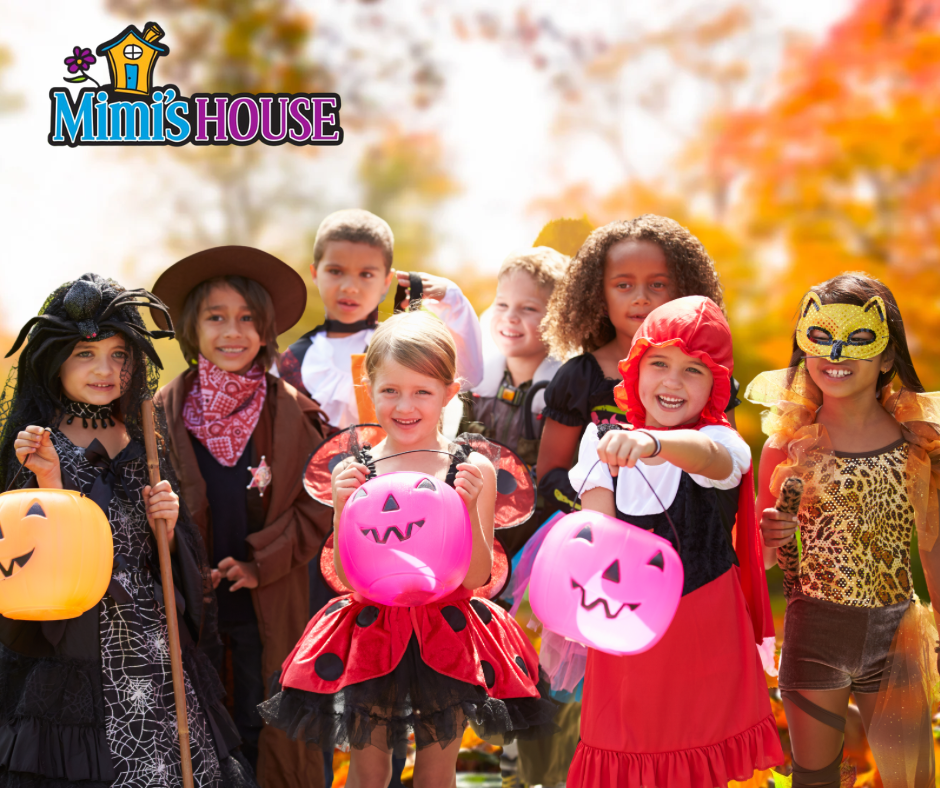
How to Help Your Child Have a Positive Halloween Experience

Tips from MiMi’s House: How to Help Your Child Have a Positive Halloween Experience

Halloween can be an exciting time for children, full of costumes, candy, and fun traditions. However, for younger children, the spooky elements can sometimes feel overwhelming. At MiMi’s House, we believe that Halloween should be a fun and enjoyable experience for all children, especially toddlers and preschoolers. Here are some simple yet effective tips to ensure your little one has a positive and safe Halloween this year.

1. Prioritize Emotional and Physical Safety

While Halloween is meant to be fun, it’s important to remember that many young children can’t distinguish between what’s real and what’s pretend. If something feels scary to your child, it’s very real to them. Take time to listen to their fears and reassure them that they are safe. Acknowledge their emotions, and offer comforting words. You can also explain that Halloween is a time when people dress up in costumes to pretend, which might help them feel more at ease. Normalize their feelings, and let them know it’s okay to feel unsure or afraid.

2. Create Enjoyable Family Traditions

Building non-scary family traditions around Halloween is a wonderful way to create positive memories while making the holiday feel safe for your child. Consider low-key activities like carving pumpkins, baking Halloween-themed treats, or having a cozy movie night with kid-friendly shows. Doing these fun, familiar activities together helps your child feel secure, reinforcing the idea that Halloween is more about family fun than fear. These simple traditions can become something your child looks forward to every year, giving them a sense of excitement rather than anxiety.

3. Encourage Creativity

Halloween is a fantastic time to let your child’s creativity shine! Give them the opportunity to make their own costume, create Halloween-inspired art, or engage in sensory play activities like themed sensory bins filled with spooky textures like slime, sand, or pasta. Cooking together can also be a great way to foster creativity—try making Halloween-themed snacks or treats as a family. Allowing your child to explore Halloween in creative ways not only encourages their imagination but also helps shift the focus from fear to fun.

4. Keep Activities Simple and Age-Appropriate

For young children, especially those aged 0-5, less is more when it comes to Halloween. Little ones can easily become overwhelmed by too many activities or overly spooky environments. Opt for age-appropriate, low-key activities that align with your child’s interests and energy levels. Whether it’s a relaxed family gathering, a simple trick-or-treat adventure, or a costume party with friends, keeping things simple will help prevent overstimulation. Pay attention to your child’s cues and adjust activities to make sure they’re comfortable.

Final Thoughts

At MiMi’s House, we believe that Halloween should be a time of joy and fun for every child. By focusing on your child’s emotional safety, creating family traditions, encouraging creativity, and keeping activities appropriate to their age, you can help ensure that Halloween is a positive and memorable experience. Remember, the goal is to make the holiday enjoyable and safe, so don’t feel pressured to do everything. Focus on what makes your child feel happy and secure, and you’re sure to have a wonderful Halloween together!

Happy Halloween from MiMi’s House! 🎃🧡🍭